

Avoid Takedowns: Quotes on Shirts Copyright for POD Sellers
You can sell shirts with quotes on them, but only under specific conditions. Original phrases and verified public domain text are safe. Song lyrics, book lines, and movie quotes almost always require a license, and fair use rarely protects a seller printing recognizable text for profit. Before you print anything, verify the quote’s status or swap in an alternative.
TL;DR:
- Recognizable song lyrics and movie quotes almost always require licensing because courts protect their originality and recognizability regardless of length.
- The legal risks of using copyrighted quotes include takedowns, account strikes, and potential statutory damages, especially for repeated violations.
- Fair use is rarely applicable to commercial quote shirts, as these uses are generally non-transformative and directly compete with official merchandise.
- Trademarks and right-of-publicity laws pose additional risks when pairing quotes with brand names or celebrities, regardless of copyright status.
- Creating original, themed, or public-domain phrases is the safest way to design sellable shirts without licensing concerns.
Table of Contents
- Quotes on Shirts Copyright: A Quick Seller Checklist
- How Copyright Protects (and Doesn’t Protect) Short Text
- Can You Put Song Lyrics on a Shirt Without Permission?
- Does Fair Use Protect Quotes on Shirts You Sell?
- Do Trademarks and Publicity Rights Create Separate Risk?
- How Do You Get a Print or Merchandise License?
- How Can You Verify a Quote Is Public Domain?
- Safer Alternatives That Still Sell
- Production Choices That Protect Your Shirt Business
- When Licensing Makes Sense (and When It Doesn’t)
- Original Event Tees Without the Licensing Headache
- Sources
- FAQ
Quotes on Shirts Copyright: A Quick Seller Checklist
Before you upload a design with any quote on it, run through this sequence. Skipping a step here is how sellers end up with a takedown notice instead of a bestseller.
- Identify the source. Is the line original to you, pulled from a public-domain text, or lifted from a song, book, or film still under copyright? If you can’t answer this confidently, treat it as protected.
- Assume licensing is required for lyrics and literary quotes. Songwriters and publishers control merchandise rights separately from performance rights, so track down the publisher through the licensing steps outlined by LegalClarity or check with ASCAP, BMI, or SESAC for songwriter and publisher information.
- Run a trademark check. A phrase might be free of copyright but still registered as a trademark, especially if it’s a band name, a movie tagline, or a branded slogan.
- Evaluate right-of-publicity risk. Pairing a quote with a celebrity’s name or image raises a separate legal issue entirely, one that exists independent of whether the text itself is protected.
- Skip the “safe word count” myth. There’s no magic number of words that makes copying legal, and crediting the original speaker doesn’t grant you permission to use their words commercially.
- Pivot if licensing isn’t realistic. For most small POD sellers, an original phrase or a public-domain quote is the faster, cheaper, lower-risk path to market.
Pro Tip: Attribution feels like a courtesy, but it can actually work against you. Naming the songwriter or author on your product listing makes it easier for a rights holder to find the infringement and easier for them to prove you knew the source.
How Copyright Protects (and Doesn’t Protect) Short Text
Individual words, short phrases, slogans, and titles generally aren’t eligible for copyright protection, according to U.S. Copyright Office guidance. That’s why you can print “Rise and Wine” or “Bride Tribe” without asking anyone’s permission. Copyright protects original creative expression, not the building blocks of language.
The catch is that many quotes people actually want to sell aren’t generic phrases. A line from a hit song or a famous novel carries the creative fingerprint of its author, and courts have long protected the “heart” of a work even when that heart is a single sentence. A four-word hook that instantly identifies a song is treated very differently from a common turn of phrase, because the test isn’t length. It’s originality and recognizability.
That distinction matters once your shirt goes up for sale on a marketplace. Rights holders and platforms use automated scanning and manual reports to catch infringing listings, and enforcement typically follows a pattern:
- A DMCA takedown notice removes the listing, often within days.
- Repeated notices can trigger account strikes or suspension on platforms like Etsy or Amazon.
- In escalated cases, the rights holder can pursue statutory damages.
Under 17 U.S.C. § 504, statutory damages for infringement can range widely, and courts weigh the facts of each case rather than applying a flat penalty. For a seller running a hundred-unit print run on a single design, that risk profile changes the math on whether a “cute” lyric shirt is actually worth it.
Can You Put Song Lyrics on a Shirt Without Permission?
Almost never, if the goal is to sell it commercially. Song lyrics and book excerpts are literary works, and the rights to reproduce them on merchandise usually sit with a publisher, not the performer or even the original author in every case. Rights can also be split: a songwriter might own the composition while a separate publishing company administers merchandise licensing.
There’s no safe numeric threshold here, either. Courts look at qualitative importance, not word count, which means copying a song’s chorus or a book’s most quoted line carries real risk even at four or five words. This is the same “heart of the work” standard that governs short-phrase protection generally, and it’s why a line that feels harmless to a seller can still be the exact phrase a publisher actively polices.
What actually happens when a publisher or rights holder catches an unlicensed lyric shirt:
- The listing gets pulled through a platform takedown, sometimes the same day it’s reported.
- Repeat offenses lead to account strikes, and marketplaces like Etsy have suspended sellers over lyric-based merchandise, a pattern documented in ShieldMyShop’s breakdown of Etsy’s copyright enforcement.
- Larger or repeated infringement can escalate into direct licensing demands or a statutory damages claim.
If you genuinely want to use current, recognizable lyrics, licensing is the only durable path. Waiting for the quote to enter the public domain is the other option, but that only works for older works, which the next sections cover in detail.
Does Fair Use Protect Quotes on Shirts You Sell?
Fair use almost never covers a quote printed on a shirt sold for profit. Fair use is a legal defense, not a blanket right, and courts weigh four factors to decide whether it applies: the purpose of the use, the nature of the original work, how much was used, and the effect on the market for the original.
Commercial apparel struggles on nearly every one of these factors. Selling a shirt is a commercial purpose by definition, which immediately weighs against the seller. The use also needs to be transformative to stand a real chance, meaning it comments on, criticizes, or repurposes the original in a meaningful way, according to Stanford’s overview of fair use. Printing a lyric in decorative script on a shirt doesn’t transform anything. It reproduces the line for its original emotional or aesthetic appeal, which is exactly what fair use isn’t designed to protect.
- Purpose and character of use: Commercial sale weighs against you almost automatically.
- Nature of the work: Highly creative works (song lyrics, fiction) get stronger protection than factual text.
- Amount used: Even a short excerpt can fail this factor if it’s the “heart” of the work.
- Market effect: If your shirt could plausibly compete with official band or author merchandise, that weighs heavily against fair use.
A quick risk test before listing anything: if you’re using the quote because it’s recognizable and appealing on its own, rather than to comment on or critique it, you’re using it for the same reason the original creator did. That’s the opposite of fair use.
Pro Tip: If you find yourself explaining to a customer why your shirt “should be fine” because it’s “just fair use,” that’s usually a sign you already know the answer and don’t like it.
Do Trademarks and Publicity Rights Create Separate Risk?
Yes, and this is the risk sellers overlook most often. A phrase can clear a copyright check entirely and still get you in trouble through trademark or right-of-publicity law, because these are separate legal systems with separate rules.
Trademarks protect brand identifiers, band names, tour slogans, and even specific merchandise categories, registered through the U.S. Patent and Trademark Office. A slogan tied to a band’s merchandise line, for example, can be trademarked for apparel even if the phrase itself wouldn’t qualify for copyright protection on its own.
Right of publicity is the other trap. Even uncopyrightable text becomes a legal problem the moment you pair it with a celebrity’s name, likeness, or voice without permission, a risk that exists independent of any copyright question, according to Foundd Legal’s guide on celebrity names in marketing. Rules vary by state, and some states enforce this right aggressively, particularly for deceased celebrities whose estates actively license their image.
Before listing a quote-based design, run these checks:
- Search the USPTO’s trademark database (TESS) for the phrase in the apparel category.
- Flag any design pairing a quote with a name, face, or recognizable likeness for separate legal review.
- Treat band names, movie titles, and franchise terms as likely trademarked, even when the underlying words are common.
How Do You Get a Print or Merchandise License?
Licensing is a real option once you know the steps, and it scales well for sellers planning a larger run or a recurring product line.
- Identify the rights holder. For song lyrics, that’s typically the music publisher, not the artist. For book or movie quotes, it’s usually the publishing house or studio. Songwriter and publisher information is searchable through ASCAP, BMI, or SESAC, the major performing-rights organizations.
- Prepare a clear usage proposal. Include a design mockup, expected print quantity, sales territory, and the specific quote you want to use, word for word.
- Contact the publisher directly or through a clearinghouse. Some publishers handle merchandise licensing in-house; others route requests through specialized licensing agents who negotiate on their behalf.
- Negotiate terms. Expect to discuss royalties (often a percentage of net sales), territory restrictions, duration of the license, and approval rights over the final design.
- Get it in writing before you print a single unit. A verbal agreement or an email exchange without clear terms leaves you exposed if the publisher’s expectations change.
Licensing makes the most sense when you’re planning a sustained product line built around a specific artist, franchise, or brand partnership, not a single novelty shirt for a weekend market. The $15 to $35 per-shirt cost range for small-batch printing gives you a useful benchmark for whether licensing fees and royalties still leave room for a profitable margin.
How Can You Verify a Quote Is Public Domain?
Public domain status depends on the specific work, not the general era it came from, and getting this wrong is one of the most common mistakes sellers make. As of January 1, 2026, many works published in 1930 and earlier have entered the public domain, opening up a wide range of classic literature, older song lyrics, and historic speeches for commercial use, per ShieldMyShop’s public domain guidance.
The trap is assuming an old quote is automatically free to use. A public-domain poem set to a new melody, or a classic line rendered in a modern stylized translation, can carry a fresh copyright on that specific arrangement even though the underlying text is free.
- Confirm the exact publication date of the specific version you’re using, not just the general work.
- Watch for modern adaptations, translations, or musical arrangements layered on top of older text.
- When in doubt, search the original publication record rather than relying on a quote website’s claim that something is “public domain.”
- Stick to text you can trace to a verified original source, not a paraphrase circulating online.
Safer Alternatives That Still Sell
You don’t need a famous quote to build a shirt people want to buy. Original phrasing, wordplay, and inside-joke humor consistently perform well in event-driven apparel, and they carry zero licensing risk.
Writing your own line built around a theme, an event, or a shared experience gives you full ownership from day one. A phrase like “Bride Tribe on Tour” or a pun built around a bachelorette weekend costs nothing to clear and can become just as recognizable as a borrowed quote once it’s tied to your brand. Browse squad matching shirt ideas for examples of original group copy that never touches a copyrighted line.
Thematic homage is the second strategy worth mastering. Instead of quoting a movie or show directly, capture its mood, its color palette, or its insider vocabulary. Advertising and merch experts increasingly recommend this fandom-lore approach precisely because it produces more original, defensible designs than direct quotation ever could. Inside-joke shirt examples show how a shared reference can sell just as hard as a licensed line, without the legal exposure.
- Write three to five original variations of any concept before settling on final copy.
- Test designs with a small group from your target audience before a full production run.
- Reference a mood or an era rather than quoting specific dialogue.
Pro Tip: If a design idea only works because it borrows someone else’s famous words, that’s usually a sign the concept needs another pass, not a legal workaround.
Production Choices That Protect Your Shirt Business
Legal caution only pays off if the shirt itself holds up. The catalog is built around original, event-specific humor for girls’ trips, bachelorette parties, and happy hour occasions, which sidesteps licensing risk from the design stage forward.
Print quality matters just as much as wording. Text-heavy designs are especially vulnerable to cracking or fading if they’re printed with the wrong method on the wrong fabric, which turns a legally safe shirt into a customer complaint anyway. Choosing a durable print type and a quality blank fabric preserves crisp lettering wash after wash, and following proper washing guidance by print type extends the life of any text-forward design significantly.
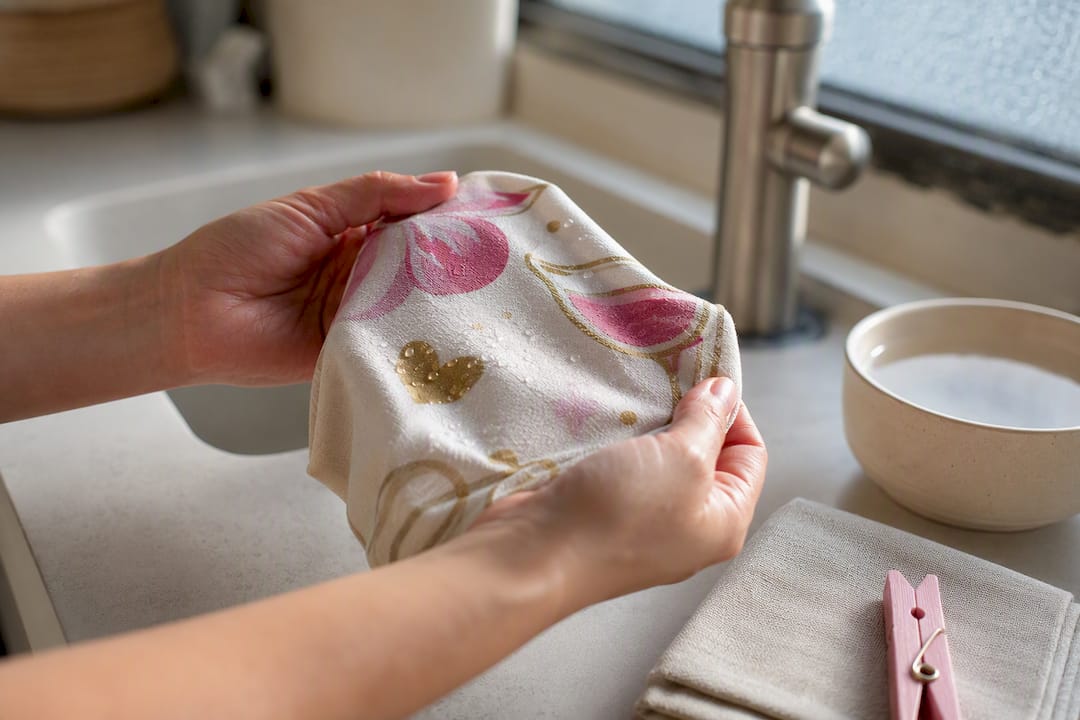
Getting both pieces right, clean legal footing and solid production, cuts down on returns, takedown headaches, and the kind of customer complaints that come from a shirt looking worn out after three washes.
When Licensing Makes Sense (and When It Doesn’t)
Licensing is a business decision, not a moral one. It makes sense when you’re building a sustained line around one artist, franchise, or brand and the math on royalties still leaves you a margin. For most small sellers running limited print runs, it doesn’t.
Original design is the better long-term play for a POD business, not because it’s the cautious choice, but because it builds a brand instead of renting someone else’s. A quote-style tee built on borrowed words can look sharp on a product page, but it’s someone else’s intellectual property doing the selling. My recommendation: default to compliance and creative differentiation, and treat licensing as a deliberate upgrade you choose, not a shortcut you stumble into.
— Stephen
Original Event Tees Without the Licensing Headache
Girlshappyhour skips the licensing question entirely by building every design around original, event-driven humor made for girls’ trips, happy hour, bachelorette weekends, and birthday squads. That means no publisher negotiations, no royalty math, and no waiting on permission before you sell.
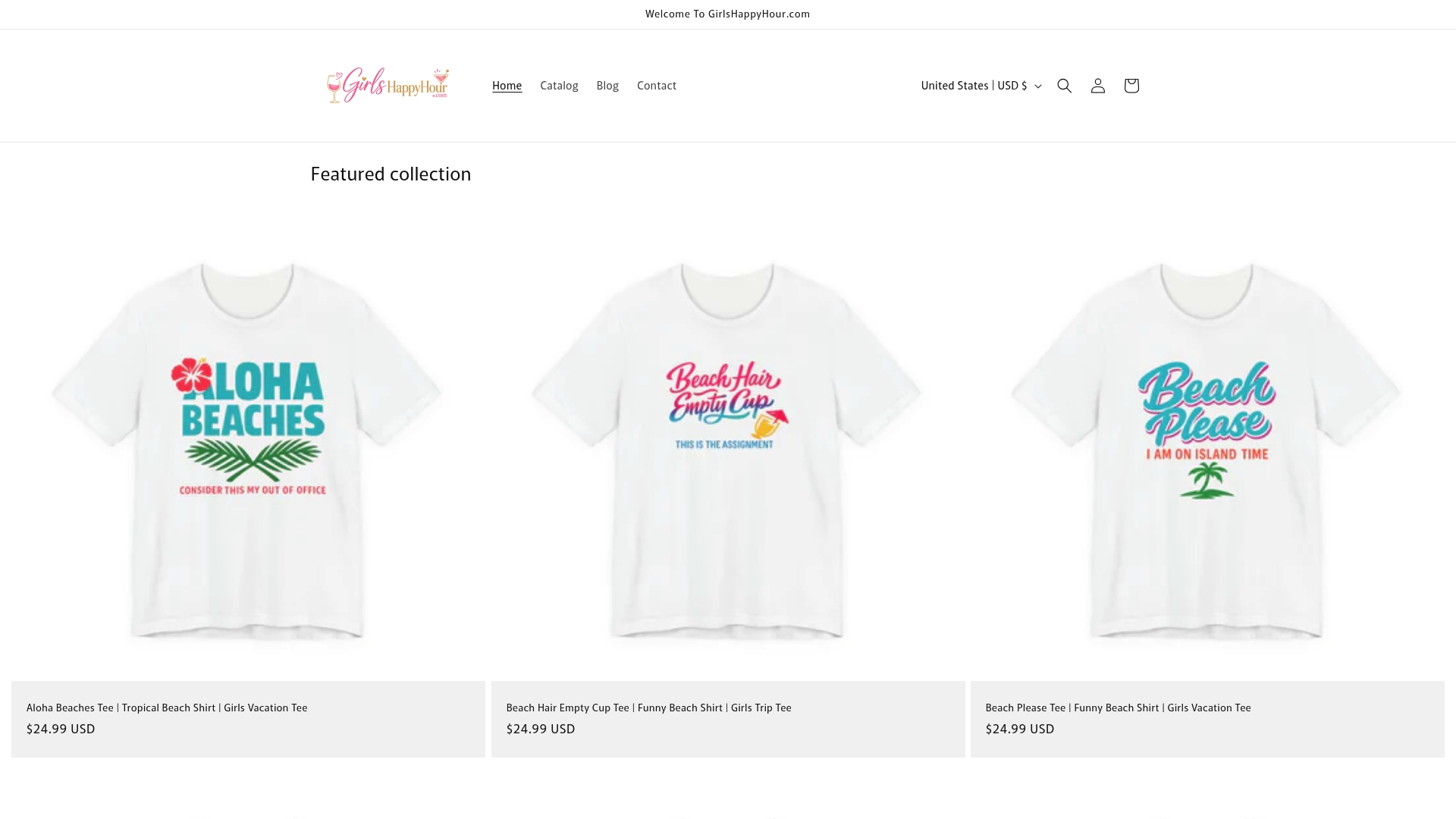
Every design in the catalog is built to sell fast without the copyright exposure that comes with lyric or movie-quote apparel. Browse the Fourth of July shirt ideas or the birthday squad shirt collection for a sense of how original phrasing performs for real events. If you’re organizing a group order or need custom wording for a bachelorette weekend or a milestone birthday, visit Girlshappyhour to get a quote and place your order.
This article is general information, not a substitute for advice from a qualified lawyer. Consult a qualified legal professional about your own circumstances before acting on anything here.
Sources
- U.S. Copyright Office – What does copyright protect?
- Stanford University — What is fair use?
- LegalClarity — Can you put song lyrics on a shirt? Copyright rules and licensing
- ShieldMyShop — Can you sell shirts with song lyrics on Etsy? (2026)
- Washington University Law — Analysis of copyright infringement cases (overview)
FAQ
Is It Legal to Use Quotes on T-Shirts?
It depends on the quote. Original phrases and verified public-domain text are legal to use freely, while recognizable song lyrics, book lines, and movie dialogue usually require a license from the rights holder.
Can You Put Quotes on Shirts and Sell Them?
Yes, but only safely when the quote is original to you, confirmed public domain, or properly licensed. Selling shirts with unlicensed lyrics or literary quotes risks takedowns and statutory damages under 17 U.S.C. § 504.
What Quotes Can I Put on a Shirt?
Your own original wording, common phrases and idioms, and quotes from verified public-domain works published in 1930 or earlier are generally safe. Recognizable lines from current songs, books, or films need permission first.
What Can I Legally Put on a Shirt?
Original text you write yourself is always the safest option, along with generic phrases the U.S. Copyright Office confirms fall below the threshold for copyright protection. For anything else, verify the source or get a license before printing.