

Best Wine Glass Styles for Your Group: 2026 Guide
The best wine glass styles group is a curated set of red, white, and sparkling glasses designed to maximize aroma, flavor, and enjoyment at social wine events. For any gathering, the standard industry term is a varietal glass set, and knowing which shapes to include makes a measurable difference in how wine tastes. Brands like Zalto, Libbey, and Gabriël-Glas each offer well-regarded options across these core styles. The right set balances sensory performance with real-world practicality: dishwasher-safe construction, manageable storage, and enough variety to serve every pour well.
1. why wine glass shape changes how wine tastes
The best wine glass styles group starts with understanding why shape matters at all. Glass shape affects aroma delivery, temperature control, and how tannins register on the palate. This is not marketing. It is physics and chemistry working together.
Here is how the three main categories differ:
- Red wine glasses have large, wide bowls that expose wine to more air. Aeration softens tannins and opens up complex aromas in full-bodied reds.
- White wine glasses have smaller, narrower bowls. This slows aroma dissipation and keeps the wine cooler longer, which is critical for delicate whites.
- Sparkling wine glasses prioritize bubble retention and aroma expression. Tulip shapes balance both better than the traditional flute.
Pro Tip: If you only own one glass style for a group, a midsize universal bowl handles red aeration and white aroma concentration better than any single-varietal glass.
The universal glass is the compromise option most restaurants rely on. Universal glasses with midsize bowls balance the needs of both red and white service, making them the default in high-volume hospitality settings.
2. the bordeaux glass: built for full-bodied reds
The Bordeaux glass is the tallest red wine glass in any standard set. Its height and wide bowl direct wine toward the back of the palate, which softens the perception of tannins in wines like Cabernet Sauvignon and Merlot.
Bordeaux glasses are tall and wide specifically to aerate full-bodied reds. That aeration is the functional reason Cabernet tastes smoother from a proper Bordeaux glass than from a tumbler. For group settings, this is the single most important red wine glass to own.
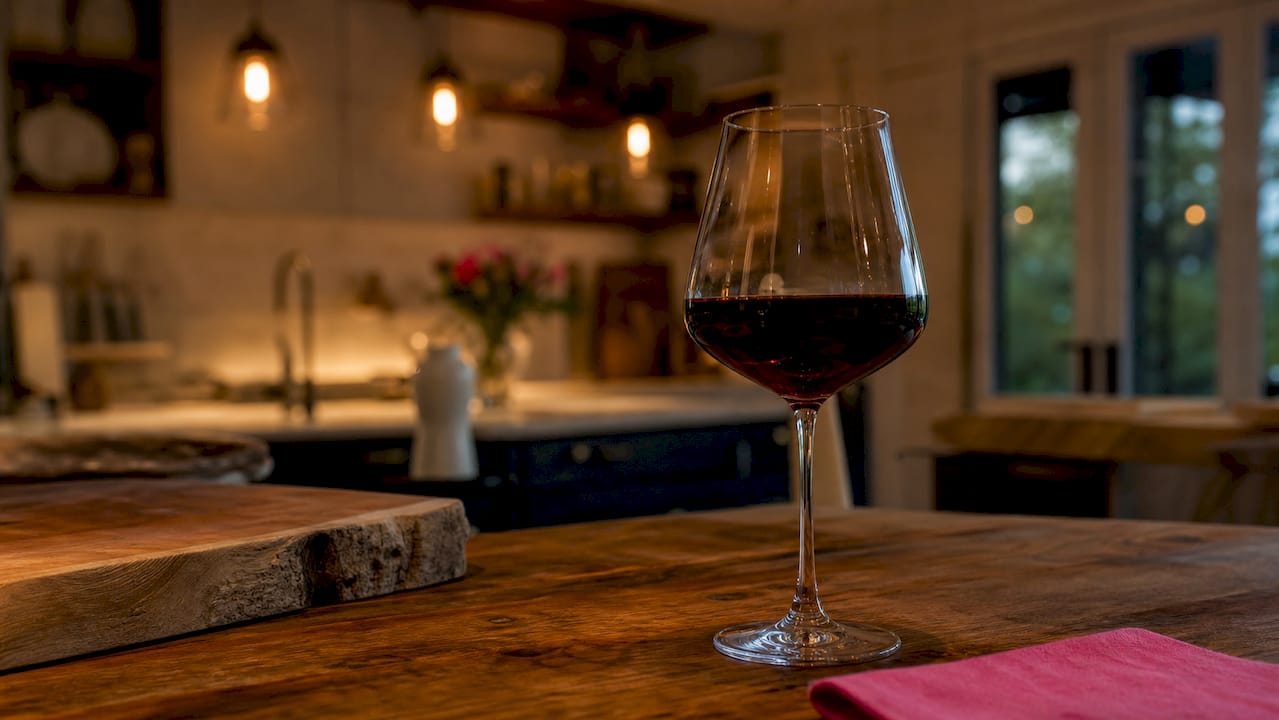
Libbey produces affordable Bordeaux-style glasses that hold up well in group settings. Zalto’s Bordeaux glass is the premium benchmark, though its price reflects that position.
3. the burgundy glass: designed for delicate reds
The Burgundy glass has a wider balloon bowl than the Bordeaux, but a shorter overall height. That wide bowl concentrates the subtle aromatics of delicate reds like Pinot Noir, directing them toward the tip of the nose.
Burgundy glasses have wide balloon bowls to capture and concentrate aromatics for wines with lower tannin and higher aromatic complexity. Pinot Noir loses a significant amount of its character in a standard red glass. For groups that regularly pour Pinot, this glass earns its place in the rotation.
The trade-off is storage. Burgundy glasses are bulky and fragile. For casual gatherings, a large universal glass covers most of what a Burgundy glass does, at lower risk of breakage.
4. white wine glasses: standard and chardonnay styles
White wine glasses come in two main profiles. The standard white wine glass has a medium bowl and a slightly tapered opening. The Chardonnay glass is larger, closer in size to a red wine glass, to allow fuller-bodied whites to breathe.
The narrower opening on both styles preserves cooler temperatures and lighter aromatics. That design slows the rate at which the wine warms in your hand, which matters more than most people realize. A Sauvignon Blanc served in a red wine glass warms up faster and loses its crispness within minutes.
For groups, one style of white wine glass covers most needs. If your crowd leans toward oaked Chardonnay, size up to the larger bowl. If lighter whites like Pinot Grigio or Riesling dominate, the standard profile works well.
5. sparkling wine glasses: flute, tulip, and coupe compared
Three glass shapes compete for sparkling wine service, and they are not equal. The flute preserves carbonation and keeps bubbles visible. The tulip balances bubble retention with aroma expression. The coupe, the wide shallow glass, loses carbonation quickly and is better suited to cocktails than Champagne.
Tulip-shaped glasses are increasingly preferred by professionals for sparkling wine service because they capture aroma without sacrificing effervescence. For group celebrations, the tulip is the right call. It makes toasts look elegant and delivers more of the wine’s character than a flute.
Adding a sparkling-focused glass beyond red and white glasses enhances the toast experience in group celebrations. That single upgrade pays off every time someone pops a bottle of Prosecco or Champagne at a gathering.
6. stemless glasses: the casual group option
Stemless wine glasses are a practical choice for relaxed social events. They are harder to knock over, easier to store, and popular for casual events because they are durable and permit swirling without the fragility of a stem.
The trade-off is temperature. Holding a stemless glass warms the wine faster because your hand contacts the bowl directly. For a wine night where the focus is conversation over critical tasting, that trade-off is acceptable. For a more focused tasting event, stemmed glasses perform better.
Brands like BrüMate produce insulated stemless options that address the temperature problem directly. For outdoor gatherings or events where breakage is a real concern, stemless is the practical answer.
7. the universal glass: one shape for every wine
The universal glass is the most underrated option in any wine glass style guide. It has a midsize bowl, a slightly tapered rim, and enough volume to work with both red and white wines without major compromise.
Universal glasses win in practical high-volume settings by balancing swirl potential and table space without sacrificing much sensory value. Restaurants use them because they reduce inventory, simplify service, and still deliver a quality experience. For home groups, the same logic applies.
Gabriël-Glas produces one of the most respected universal glasses on the market. Its single-glass philosophy is built on the idea that one well-designed shape serves nearly every wine well.
8. how to build the right set for your group size
For hosting casual wine gatherings, two core glass shapes plus a tulip sparkling glass cover most needs. That three-shape set handles 90% of social wine occasions without overwhelming your cabinet space.
Here is a practical framework by group size:
- Groups of 4–6: One red style (Bordeaux or universal), one white style, one tulip sparkling glass. Six of each is sufficient.
- Groups of 8–12: Add a second red style (Burgundy) if Pinot Noir is a regular pour. Twelve of each core style.
- Mixed casual events: Universal glasses only, plus a tulip for toasts. Simplest setup, easiest cleanup.
Chasing too many specific glass shapes leads to diminishing returns. A small rotation suffices for nearly all occasions, and the storage and washing effort of a large specialized collection outweighs the sensory benefit for most groups.
Pro Tip: Buy sets of six or twelve in one style before diversifying. Consistency across a table looks better and simplifies pouring.
9. selecting durable, dishwasher-safe glassware for groups
Durability is not a compromise. It is a requirement for group settings. Hospitality experts emphasize dishwasher-safe and durable stemware for group use because frequent washing and handling degrade glass quality over time.
Key factors to evaluate when buying for groups:
- Material: Lead-free crystal is the standard for quality. It is thinner and clearer than standard glass, but more durable than it looks.
- Rim thickness: Thinner rims improve the drinking experience but chip more easily. For groups, a medium-thin rim is the practical balance.
- Dishwasher rating: Check the manufacturer’s specification. Many crystal glasses are technically dishwasher-safe on the top rack at low heat.
- Pour capacity: A 16–20 oz bowl gives enough room for a standard 5 oz pour plus swirling space.
Pro Tip: Store glasses upright, not inverted on a shelf. Inverted storage can trap odors and stress the rim over time.
Libbey’s Signature series and Schott Zwiesel’s Tritan crystal line both offer dishwasher-safe options that hold up well in group settings without sacrificing clarity or bowl shape.
10. specialized vs. universal glasses: which wins for groups?
The choice between specialized varietal glasses and universal glasses comes down to your group’s habits and priorities. Here is a direct comparison:
| Glass Type | Best For | Pros | Cons |
|---|---|---|---|
| Bordeaux | Cabernet, Merlot, full-bodied reds | Maximizes aeration and tannin softening | Bulky, storage-heavy |
| Burgundy | Pinot Noir, delicate reds | Concentrates subtle aromatics | Fragile, large footprint |
| Standard White | Sauvignon Blanc, Riesling, Pinot Grigio | Preserves temperature and light aromatics | Limited for full-bodied whites |
| Tulip Sparkling | Champagne, Prosecco, Cava | Balances bubbles and aroma | Single-use purpose |
| Universal | Any wine | Versatile, space-efficient, group-friendly | Minor sensory trade-offs vs. specialized |
| Stemless | Casual events, outdoor settings | Durable, stable, easy to store | Warms wine faster |
In group tastings, the benefit of specialized glass shapes decreases if guests do not swirl consistently or if glasses are not properly maintained. Universal glasses are forgiving for less consistent swirling behavior, which describes most casual social drinkers accurately.
The recommended combination for most groups: one universal glass for all still wines, plus a tulip for sparkling. That two-shape setup covers every occasion on a wine night at home without requiring a dedicated glassware cabinet.
For groups that want more specificity, add a Bordeaux glass for red-focused events and a standard white glass for white-focused tastings. Stop there. Glass performance depends on real tasting behaviors like pour size and swirling frequency, and most groups do not swirl consistently enough to justify more than four shapes.
Key takeaways
The most practical wine glass set for group gatherings is a universal glass plus a tulip sparkling glass, with a Bordeaux or white glass added only when the wine menu calls for it.
| Point | Details |
|---|---|
| Core set covers most needs | A large-bowled red, a standard white, and a tulip sparkling glass handle 90% of group occasions. |
| Shape follows function | Bordeaux glasses aerate tannins; white glasses preserve temperature; tulips balance bubbles and aroma. |
| Universal glasses win for groups | Midsize universal bowls reduce storage, simplify service, and forgive inconsistent swirling. |
| Durability matters as much as design | Dishwasher-safe, lead-free crystal holds up to group use without sacrificing clarity or shape. |
| More shapes mean diminishing returns | Beyond 3–4 glass styles, sensory gains shrink while washing and storage effort grows. |
What i’ve learned hosting group wine nights
After years of watching guests at wine gatherings, one pattern stands out: most people do not swirl. They pour, they sip, and they talk. That observation changed how I think about glassware for groups entirely.
I used to set out Bordeaux glasses, Burgundy glasses, and white wine glasses for every event. The result was a sink full of mismatched stems and guests reaching for whatever was closest. The specialized shapes were wasted on a crowd more focused on conversation than aroma analysis.
The shift to universal glasses for still wines and tulips for sparkling simplified everything. Guests handled them confidently. Cleanup took half the time. And honestly, the wine tasted just as good to everyone at the table.
My recommendation: start with a set of quality universal glasses and a set of tulip sparkling glasses. Add a Bordeaux glass only if your group regularly pours full-bodied reds and actually talks about the wine. For women’s group events built around fun over formality, the simpler setup wins every time. Elegance comes from the experience, not the number of glass shapes on the table.
— Stephen
Dress the part for your next wine night
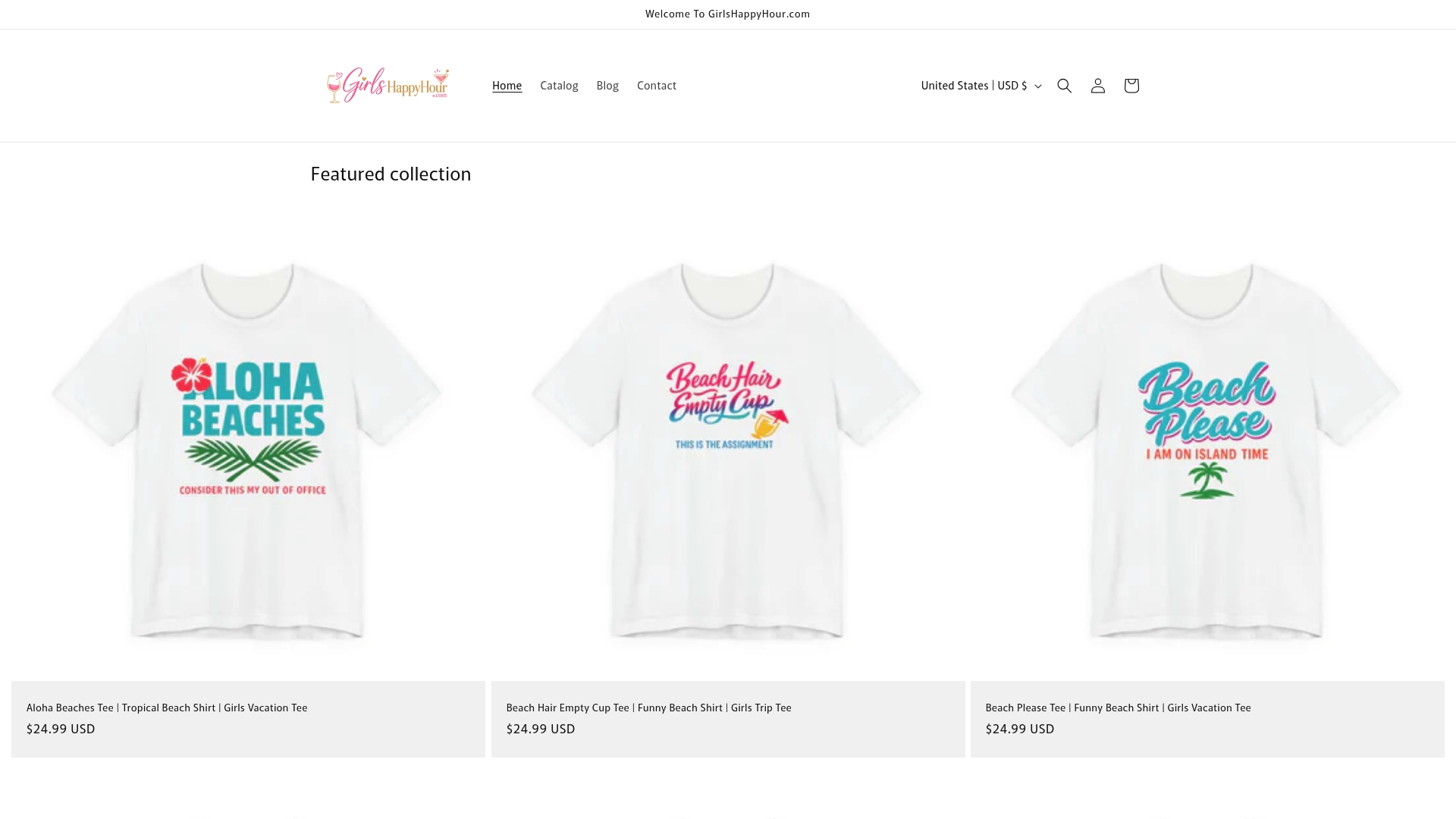
The right glass set makes the wine better. The right shirt makes the night more fun. Girlshappyhour has a full lineup of wine-themed tees built for exactly this kind of gathering. The Girls Night Wine Required Tee is the go-to for any wine night where the plans are loose and the pours are generous. If your group leans into the chaos, the Unsupervised and Over-Poured Tee says everything that needs to be said. Browse the full collection at Girlshappyhour for more gear that fits the occasion.
FAQ
What glasses should i buy for a group wine night?
Start with a large-bowled universal glass for still wines and a tulip-shaped glass for sparkling. Two core shapes cover the majority of group wine occasions without excess storage or washing.
Is a tulip or flute better for champagne at parties?
A tulip glass is better. Tulip shapes balance bubble retention and aroma expression, while flutes preserve carbonation but limit how much of the wine’s character you can smell.
Are stemless wine glasses good for group settings?
Yes, for casual events. Stemless glasses are durable and stable, though they warm wine faster because your hand contacts the bowl directly.
How many wine glass styles do i actually need?
Three styles cover nearly every occasion: one red, one white, and one sparkling. Diminishing sensory returns set in beyond 3–4 shapes, while storage and washing demands increase significantly.
What makes a wine glass dishwasher-safe for frequent group use?
Lead-free crystal with a manufacturer dishwasher rating handles group use well. Durability and dishwasher-safe features are critical in group settings where glasses are washed frequently and handled by multiple people.
Recommended
- How to Host a Wine Night at Home: 2026 Guide – GirlsHappyHour.com
- Matching Shirts for Girls Night Out: 2026 Style Guide – GirlsHappyHour.com
- Funny Happy Hour Shirt Sayings for Women’s Events – GirlsHappyHour.com
- Girls Night Plans Optional Wine Required Tee | Girls Trip Shirt | Wine – GirlsHappyHour.com