

Why Girls Choose Wine over Cocktails: 2026 Reasons
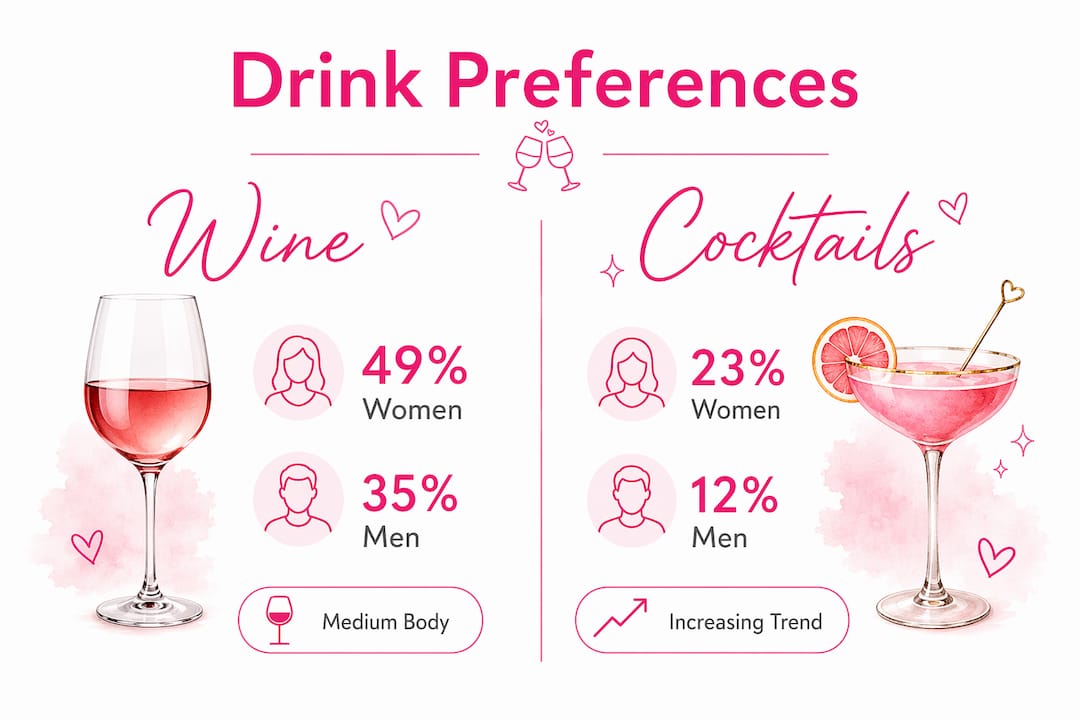
Women choose wine over cocktails for reasons that go well beyond taste. According to the UK 2026 consumer research, 49% of women prefer wine as their main alcoholic beverage, compared to 35% of men, while 23% of women prefer cocktails versus 12% of men. The preference is not random. It connects to how wine functions socially, emotionally, and culturally in women’s lives in ways that cocktails rarely replicate.
The core reasons women reach for wine:
- Cultural symbolism. Wine carries associations with glamour, romance, and sophistication that align with how many women frame social occasions.
- Health perception. Wine is widely viewed as a healthier, more moderate choice compared to high-sugar cocktails.
- Flavor profile. Fruit and floral notes in wine match many women’s palate preferences more consistently than cocktail flavors do.
- Emotional function. Wine serves as a mood-setting tool, linked to relaxation and joy in ways that feel personal and reliable.
- Social identity. Choosing wine signals something about who you are in a group setting, a function cocktails can serve but rarely with the same cultural weight.
- Consistency. Wine delivers a predictable experience. A cocktail’s quality shifts from bar to bar.
These factors do not operate in isolation. They reinforce each other across social settings, marketing messages, and lived experience.
Why girls choose wine over cocktails: cultural and social forces
Wine’s cultural positioning as a female lifestyle product did not happen by accident. Cultural narratives have long linked wine to glamorous galas, romantic dates, and bachelorette celebrations, while beer gets paired with sports nights and cocktails with nightlife. That framing shapes what women reach for when they want a drink that fits the moment.
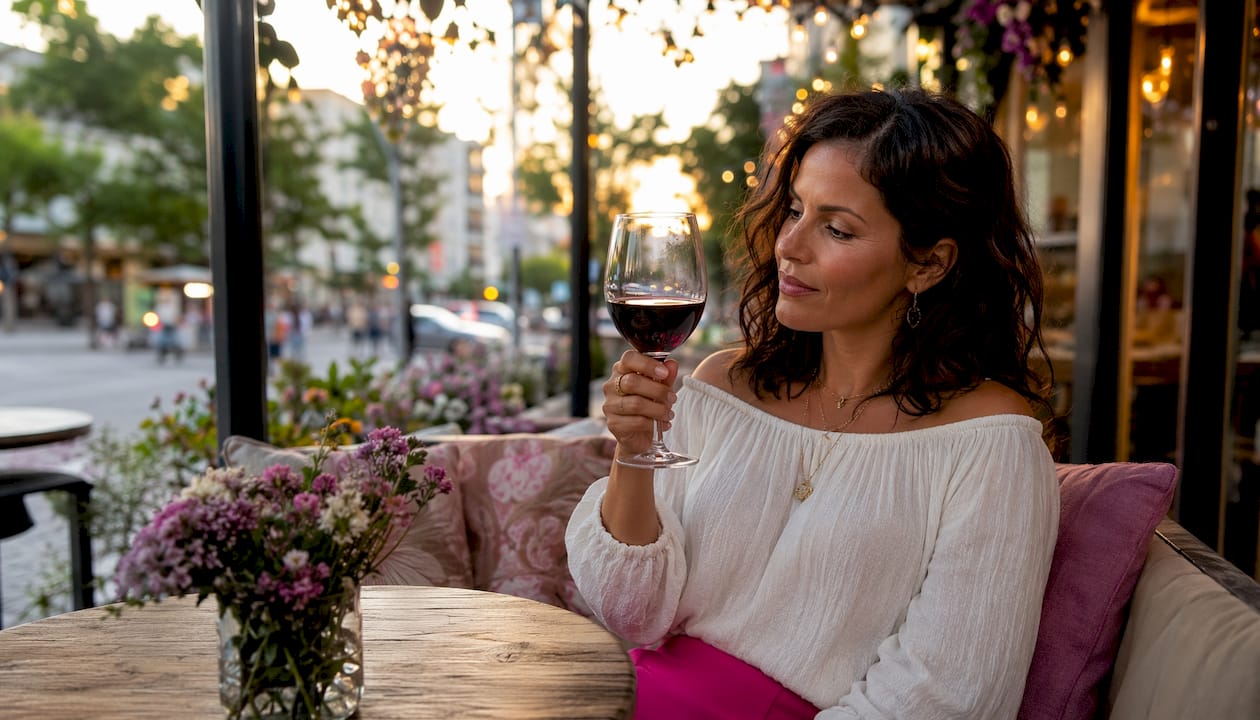
Marketing accelerated this association. Wine brands spent decades targeting women with imagery built around connection, relaxation, and femininity. The result is a category that many women experience not just as a beverage but as a social accessory, something that signals taste, ease, and belonging.
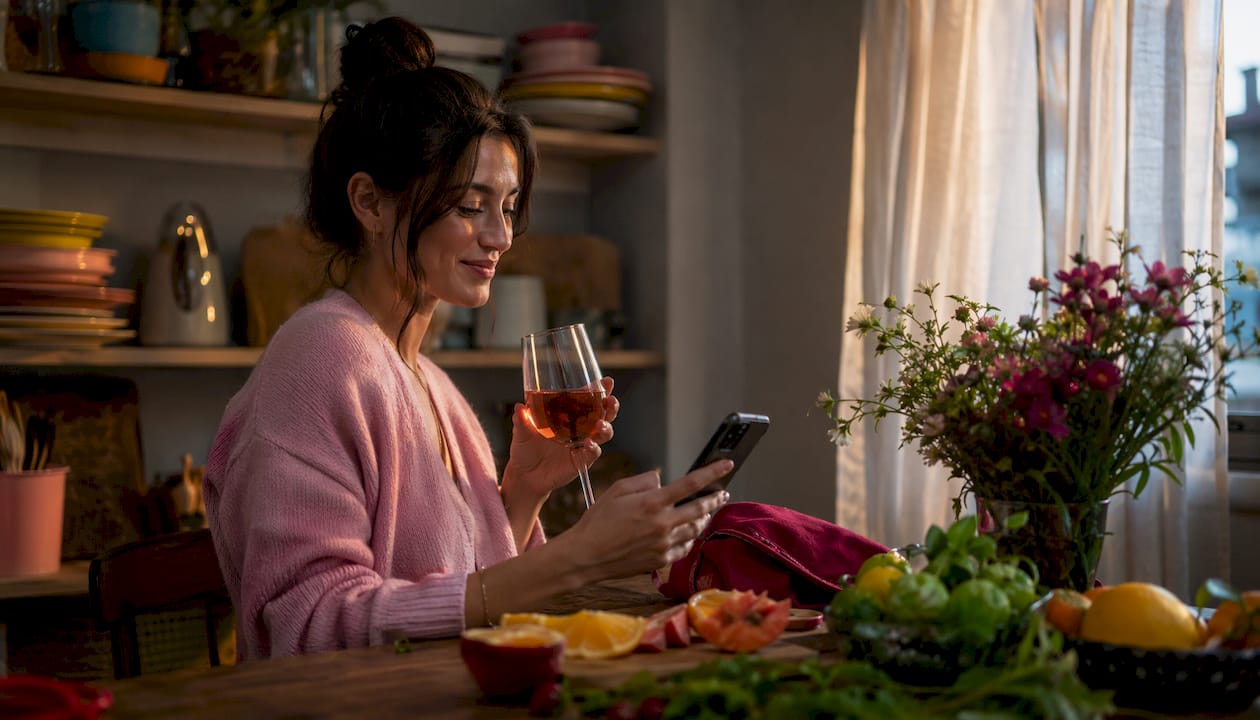
Wine also functions differently at a girls’ night than a cocktail does. It is easy to share, easy to pour, and carries no performance pressure. Nobody has to know the right order or wait for a bartender to build something. That low-friction quality matters in casual, intimate social settings where the goal is connection, not novelty.
The social symbolism extends to identity. Choosing wine at a gathering communicates something. It reads as relaxed confidence rather than effort. For many women, that distinction shapes the wine or cocktails decision before they even look at a menu.
- Wine is associated with one-on-one social settings, romantic occasions, and relaxed group gatherings.
- Cocktails carry stronger associations with nightlife, novelty, and performance.
- Wine’s image as a “sophisticated, even feminine drink” has been reinforced across media, retail, and hospitality for decades.
- In France, 65% of wine buyers are women, reflecting how deeply this cultural alignment runs across markets.
How physiology and emotion shape women’s drink preferences
Women’s bodies process alcohol differently than men’s, and that biological reality influences what feels good to drink. Wine’s moderate alcohol by volume typically sits lower than many cocktails, which often combine spirits with mixers that mask the actual alcohol content. For many women, wine’s effect feels more predictable and manageable.
The emotional dimension is equally concrete. Sensory studies show that women, while giving generally lower emotional ratings than men across wine types, are more discriminating between wines. Women show greater ability to distinguish wines based on emotions like feeling “joyful” or “relaxed,” making wine a genuinely personal mood-curation tool rather than a generic drink.
Statistic: Women report more discriminating emotional responses to specific wine qualities than men, according to a consumer panel study using the EsSense25 emotional measurement tool across six commercial wine varieties.
Flavor science backs this up. Research on sensory preferences shows that fruit tastes and aromas rank as the most important sensory attributes for women, with floral notes also scoring high. Those same attributes, fruity and floral, correlate directly with positive emotional responses in wine consumers. Cocktails can deliver sweetness, but they rarely offer the layered sensory complexity that makes a specific wine feel right for a specific mood.
- Women tend to prefer medium-bodied wines, while men show a somewhat greater preference for full-bodied wines.
- Fruit and floral notes in wine trigger positive emotional responses more reliably than the sharp or bitter notes common in spirits-based cocktails.
- Wine’s consistency of effect, glass to glass and bottle to bottle, builds emotional trust that cocktails often cannot match.
- Cocktail drinkers seek trustworthiness more than wine drinkers do, and when cocktail quality fluctuates, some women revert to wine as the reliable option.
Pro Tip: If you want to understand your own wine preference, pay attention to the emotion a glass produces, not just the taste. Women tend to be more attuned to that distinction than they realize.
What stereotypes get right and wrong about female drink choices
The data on gender differences in alcohol preference is real, but the stereotypes built around it are often wrong in the details. A US study found that 52% of women preferred wine compared to 20% of men, a gap that confirms a genuine preference pattern. What the stereotype misses is the complexity inside that preference.
| Beverage | Women who prefer it | Men who prefer it |
|---|---|---|
| Wine | 49% | 35% |
| Cocktails | 23% | 12% |
| Beer/lager | — | — |
| Gin | 24% | 18% |
Source: UK 2026 consumer data
The common assumption is that women prefer rosé or white wine because those styles are lighter and sweeter. Research points the other way. 72% of women prefer wines with lighter alcohol, but 61% prefer red wine over rosé or white, a figure nearly identical to the 65% of men who say the same. The “women drink pink wine” narrative is more marketing construct than documented preference.
The stereotype that cocktails are more “adventurous” or “complex” than wine also deserves scrutiny. Wine offers enormous variety across grape, region, vintage, and style. Choosing a Barolo over a Zinfandel reflects as much knowledge and preference as ordering a specific cocktail. The perception gap exists because cocktail culture has done a better job of performing complexity visibly, with garnishes, glassware, and bartender theater.
Gender differences in wine body preference are real and documented. Women gravitate toward medium-bodied styles; men toward full-bodied. But those differences are smaller than the individual variation within each gender, and they shrink as wine experience increases.
How younger women are shifting the cocktails vs. wine balance
The preference pattern among younger women looks different from the one described above. Among adults aged 18–25, cocktails have overtaken wine as the preferred alcoholic drink, at least in some markets. The SOWINE/Dynata 2026 Barometer found this shift occurring in France for the first time, with cocktail popularity peaking among 25–34-year-olds at 31%, a cohort with higher social spending and stronger ties to urban nightlife.
This is not a rejection of wine. It reflects a more fluid relationship with beverage categories overall. Younger consumers are less locked into a single category than older adults, more likely to moderate their drinking, and more open to socializing without alcohol entirely. Wine remains part of their repertoire; it just no longer dominates it.
- Among 18–24-year-olds, preferences for cocktails, vodka, beer, and cider are relatively balanced, indicating a diverse range of popular choices rather than a single dominant preference.
- Taste has replaced tradition as the primary driver of beverage choice among younger adults, according to the SOWINE/Dynata 2026 Barometer.
- Informal occasions like aperitifs and casual get-togethers are replacing structured meal settings as the primary context for drinking among younger women.
- Wine tourism, tastings, and vineyard experiences are attracting younger participants who view wine as a source of discovery rather than a default choice.
Statistic: Among 18–25-year-olds, cocktails have become the favorite alcoholic drink in France, overtaking wine for the first time, according to the SOWINE/Dynata 2026 Barometer published in march 2026.
Wine cocktails are emerging as the category that bridges both worlds. According to Forbes, these drinks are highly approachable, flavorful without being too strong, and suited to longer social occasions like brunch. Thomas Stevens, beverage director at Fearless Restaurants, describes wine cocktails as sitting “neatly at the intersection” of lower-ABV cocktail demand and a more relaxed relationship with wine. For younger women navigating both preferences, wine cocktails offer a way to have both without choosing.
What Girlshappyhour sees in wine’s role at women’s social occasions
Wine shows up consistently at the center of the social occasions Girlshappyhour is built around: girls’ nights, bachelorette trips, birthday celebrations, divorce parties, and casual happy hours. The pattern is not coincidental. Wine fits these moments because it scales socially in a way cocktails do not. One bottle serves a group. The ritual of opening it, pouring it, and choosing it together becomes part of the occasion itself.
From a community perspective, wine functions as a mood anchor. It signals that the evening has started, that the group is together, and that the tone is relaxed rather than performative. That function is distinct from what cocktails typically do, which is signal novelty, occasion-specific flair, or individual preference. Wine is communal by default.
- Wine is the drink most associated with girls’ gatherings across age groups in the Girlshappyhour community.
- The social ritual around wine, choosing, pouring, and sharing, creates a bonding moment that cocktail orders rarely replicate.
- Wine-themed apparel and accessories consistently outperform cocktail-themed products in Girlshappyhour’s catalog, reflecting how deeply wine functions as an identity marker for the audience.
- Women use wine choices to express personality within a group: the one who brings the Pinot Noir, the one who always has a rosé chilled, the one who insists on bubbles.
- The wine night dress code concept, where the beverage shapes the aesthetic of the entire event, has no real cocktail equivalent in women’s social culture.
The cultural weight wine carries in these settings is not just about the drink. It is about what the drink represents: a shared moment, a specific kind of ease, and a social identity that many women recognize immediately. Cocktails can be part of that picture, but wine tends to set the frame.
If you want to wear that identity, Girlshappyhour’s Drink Till He’s Pretty Tee and the Unsupervised & Over-Poured Tee capture exactly that energy. And if you are shopping for the occasion itself, iridescent stemless wine glasses make the kind of gift that fits the moment perfectly.
Key Takeaways
Women’s preference for wine over cocktails is driven by cultural symbolism, emotional reliability, and sensory alignment, not simply by taste.
| Point | Details |
|---|---|
| Women favor wine strongly | 49% of women prefer wine as their main alcoholic drink, compared to 35% of men. |
| Emotional discrimination matters | Women are more discriminating than men in distinguishing wines by emotions like “joyful” or “relaxed.” |
| Medium-body preference is documented | Women tend to prefer medium-bodied wines, while men show a somewhat greater preference for full-bodied wines. |
| Younger women are shifting | Among 18–25-year-olds, cocktails have overtaken wine as the top choice in some markets for the first time. |
| Wine cocktails bridge the gap | Wine cocktails are rising in popularity by combining wine’s social ease with cocktails’ lighter, approachable flavor. |