

The Role of Wine in Girls Gatherings: 2026 Guide
Wine is defined as the social facilitator of girls’ nights, the one element that sets the pace, loosens the conversation, and turns a casual hangout into a real connection. The role of wine in girls gatherings goes far beyond the glass. Research shows 38% of women prefer wine as their drink of choice for home gatherings, placing it just behind soda at 43%. That gap is smaller than it looks. Soda refreshes. Wine structures the evening. Girlshappyhour was built around exactly this dynamic: the idea that the right setting, the right drink, and the right company create something worth celebrating.
How does wine’s role in girls gatherings actually work?
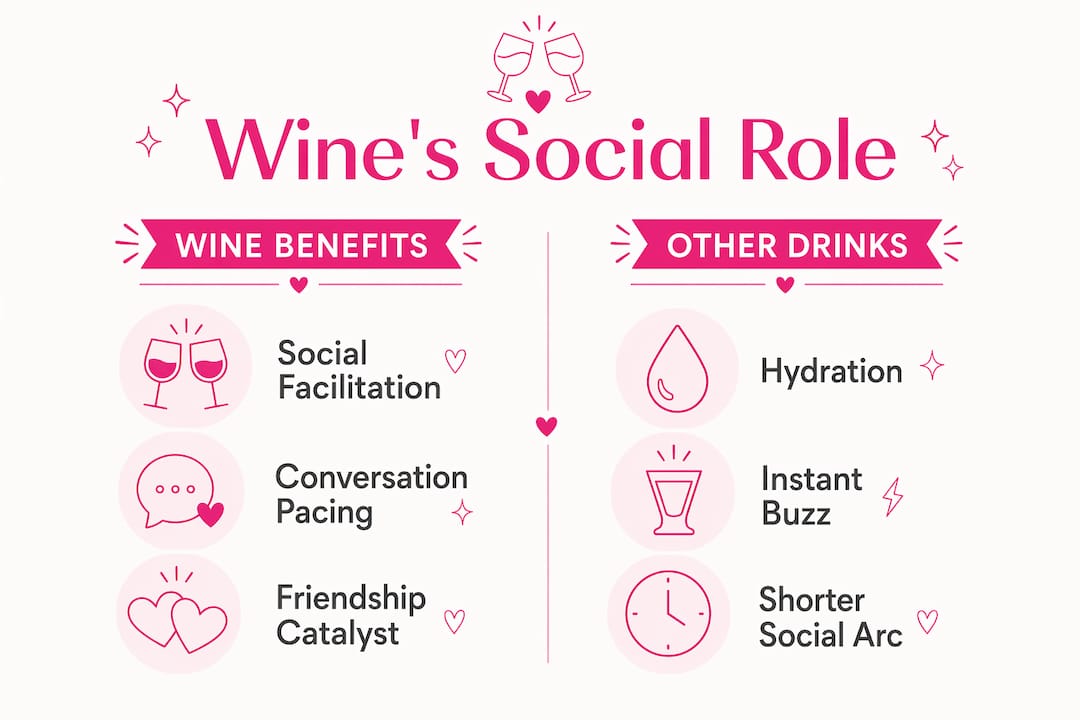
Wine’s social power is biochemical before it is cultural. Wine’s 10%–15% alcohol content creates a steady, moderate effect that sustains engagement over hours without pushing anyone past the point of good conversation. That range is the key differentiator. Spirits spike alcohol levels fast. Beer fills the stomach quickly. Wine sits in the middle, easing nerves while keeping the mind present and the mouth talking.
This is not a coincidence of taste. It is a function of chemistry. The moderate ABV in wine slows the social rhythm of a room. People refill glasses slowly. They pause. They listen. They stay at the table longer than they planned. Wine promotes presence in a way that faster-acting drinks simply do not.
“Wine sets the conversational speed. It encourages slower, more deliberate pacing in social gatherings, counteracting modern life’s fast pace and distractions. The radical act of staying longer around a table with wine challenges social fragmentation and supports mental health through connection.” — The Conversational Speed of Wine
Pro Tip: Pour smaller amounts more often. Frequent, small pours keep the ritual of sharing alive throughout the night and naturally extend the time everyone spends together.
The result is a social environment where wine fosters an engaged mood suited to long conversations. It is not about intoxication. It is about creating the conditions for intimacy.
Why is wine culturally significant at women’s social gatherings?
Wine’s cultural role has shifted. Wine culture is moving away from rural heritage and vineyard prestige toward urban hospitality and shared presence. That shift matters for girls’ nights specifically. Wine no longer needs a formal occasion or a sommelier. It needs a group of women, a comfortable space, and the intention to stay a little longer.
The ancient philosopher Pythagoras reportedly compared old wine to old friends, noting that both improve with time and both are good for the soul. Modern science backs the friendship half of that claim. Long-standing friendships correlate with measurable longevity and mental health benefits. Wine’s role is to support the conditions that make those friendships deepen, not to claim health benefits of its own.
Here is what wine actually does culturally at a girls’ gathering:
- Creates a shared ritual. Opening a bottle together signals the start of something intentional. It marks the transition from the outside world to the present moment.
- Slows the pace of the evening. Wine drinking is inherently unhurried. You sip, you talk, you refill. The rhythm resists the urge to scroll or leave early.
- Signals hospitality. Offering wine is an act of welcome. It says the host has prepared for this moment and wants guests to feel at home.
- Provides a neutral topic. Talking about what you are drinking, whether you like it, whether it is too dry or too sweet, is an easy, low-stakes conversation starter that warms up deeper discussions.
- Extends the gathering. Groups that drink wine together tend to stay longer. That extra time is where the real conversations happen.
Wine is the conduit, not the main event. The main event is the friendship. Wine just makes it easier to get there.
How to use wine at girls’ nights for the best social experience
Hosting a wine-centered girls’ night does not require expertise. It requires a few deliberate choices that support the social goals of the evening. The practical details matter more than most hosts realize.
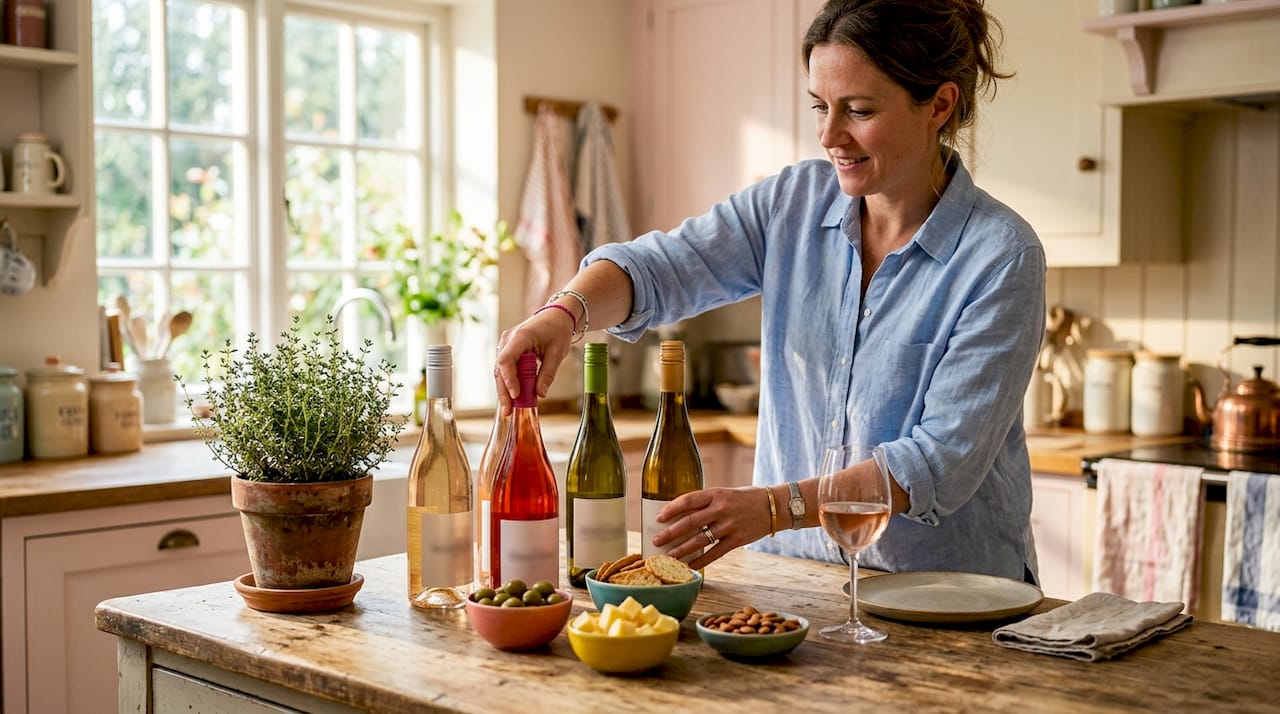
Choose variety over volume. Miniature wine bottles are one of the most practical tools for a girls’ night. They let everyone try different wines without committing to a full bottle, reduce waste, and naturally spark conversation about preferences. A table with four or five mini bottles becomes an interactive tasting without any formal structure.
Match wine to the group’s pace. A lighter white or rosé works well for early evening when energy is high. A fuller red suits the later hours when conversation slows and deepens. Knowing your group’s preferences in advance removes the guesswork and keeps the focus on connection rather than logistics.
Pair wine with food intentionally. Wine on an empty stomach accelerates the alcohol effect and shortens the evening. Simple charcuterie boards, cheese, or light bites slow absorption and keep everyone comfortable for longer. The goal is a sustained, enjoyable evening, not a fast one.
Build in a wine ritual or game. A wine tasting game gives the group a shared activity that breaks the ice and generates genuine laughter. Blind tastings, ranking rounds, or “guess the grape” challenges work well even for non-experts. The game is not the point. The conversation it starts is.
Pro Tip: Set the ambiance before the first guest arrives. Dim lighting, soft background music, and glasses already on the table signal that this is a slow, intentional evening. That physical setup primes everyone to relax and stay.
For a full planning resource, the 2026 hosting guide at Girlshappyhour covers setup, themes, and timing in detail.
How does wine compare to other drinks at girls’ gatherings?
Survey data makes the preference clear. 88% of women select wine as their go-to drink for social events, and the average group opens a bottle within 16 minutes of guests arriving. That speed reflects wine’s social role. It is not an afterthought. It is the opening move.
The comparison with other beverages reveals why wine holds this position.
| Beverage | Alcohol level | Social pacing effect | Conversation style |
|---|---|---|---|
| Wine | 10%–15% ABV | Slow, sustained | Deep, extended exchanges |
| Spirits | 35%–50% ABV | Fast, sharp | Short bursts, louder energy |
| Beer | 4%–6% ABV | Moderate, filling | Casual, often shorter sessions |
| Soda | 0% ABV | No effect | Neutral, depends on group |
Soda is the most popular choice at home girls’ nights at 43%, but its social role is purely functional. It hydrates. It does not pace. Wine’s 38% share reflects a different intention: women who choose wine are choosing a slower, more deliberate social experience.
Spirits create a different kind of evening. The higher ABV accelerates the arc of the night, often shortening meaningful conversation and increasing the chance that the gathering ends earlier than planned. Beer fills quickly, which limits how long people comfortably drink. Wine’s moderate range is the only option that actively supports the goal of a long, intimate gathering.
The difference is not about which drink tastes best. It is about which drink best serves the social purpose of a girls’ night.
Key Takeaways
Wine’s role in girls’ gatherings is defined by its ability to slow the social pace, sustain conversation, and create the conditions for genuine friendship to deepen.
| Point | Details |
|---|---|
| Wine paces the evening | The 10%–15% ABV range sustains engagement over hours without rapid intoxication. |
| Cultural shift supports wine | Wine culture now centers on urban hospitality and shared presence, not formal prestige. |
| Variety beats volume | Mini bottles let groups taste multiple wines, reducing waste and sparking conversation. |
| Friendship is the real goal | Wine supports connection; long-standing friendships carry the proven health benefits. |
| Wine outperforms alternatives | No other common beverage combines moderate alcohol with a slow, intimate social pace. |
Why I think wine’s social role is underestimated
People talk about wine as a preference. I think it is a social technology. After years of observing how women gather, I have noticed a consistent pattern: the evenings that people remember, the ones that produce the stories told for years afterward, almost always involved wine and a table that nobody wanted to leave.
Gatherings without wine are not worse. They are just different. The pace is faster. People check their phones more. The conversation stays lighter. That is not a judgment. It is an observation about how wine physically slows a room down in a way that nothing else does.
What strikes me most is how wine resists the pressure to perform. A cocktail party demands energy. A bar demands volume. A wine night at home demands nothing except your presence. That is rare. The act of staying at a table for three hours with a bottle of wine and your closest friends is, in 2026, a genuinely countercultural act. It pushes back against the speed of everything else.
The ritual matters as much as the drink. The opening of the bottle, the first pour, the moment someone says “should we open another?” These are small ceremonies that mark time and signal commitment to the evening. I have seen groups of women who barely knew each other become close friends over a single long wine night. The wine did not do that. But it created the space where it could happen.
— Stephen
Wine nights deserve the right outfit too
The right wine night starts before the first bottle opens. Girlshappyhour makes apparel built for exactly these moments: the nights that turn into stories, the gatherings that run three hours longer than planned, and the friend groups that show up in matching energy.
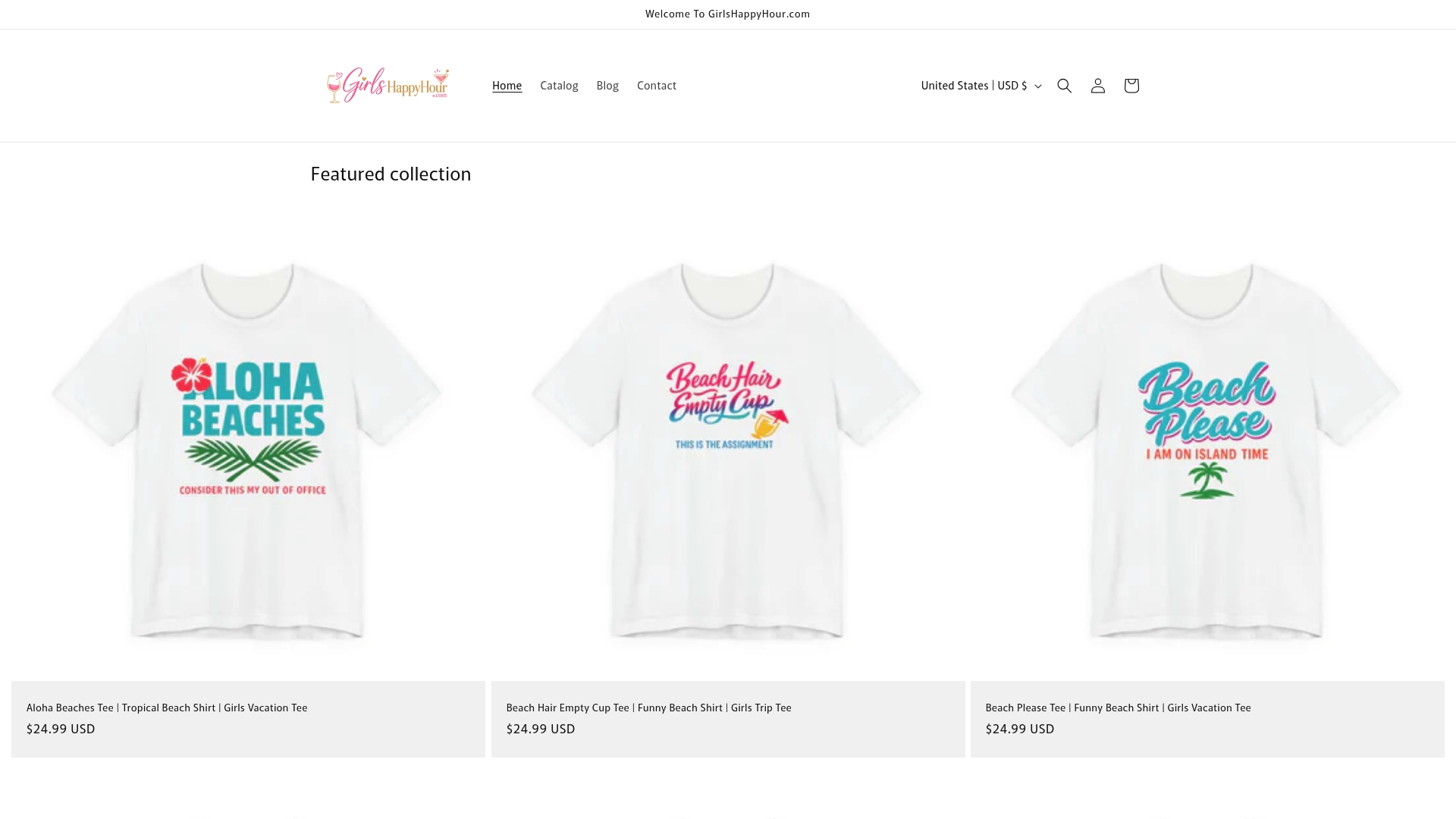
The Drink Till He’s Pretty Tee captures the spirit of a girls’ wine night without taking itself too seriously. For groups who want to arrive coordinated, wine night matching shirts turn the gathering into an event before anyone pours a glass. Girlshappyhour designs are made for the women who plan these nights with intention and celebrate them with style.
FAQ
What is the role of wine in girls gatherings?
Wine acts as a social facilitator at girls’ gatherings by slowing the pace of conversation and creating conditions for extended, intimate interaction. Its 10%–15% ABV range sustains engagement over hours without rapid intoxication.
How popular is wine at women’s social events?
88% of women choose wine as their go-to drink for social events, and most groups open a bottle within 16 minutes of guests arriving.
Why does wine work better than spirits for a girls’ night?
Spirits spike alcohol levels quickly and shorten the social arc of the evening. Wine’s moderate ABV keeps everyone present and comfortable for longer, supporting deeper conversation.
What are the best practical tips for serving wine at a girls’ night?
Miniature wine bottles offer variety without waste, and pairing wine with light food slows alcohol absorption and extends the gathering comfortably.
Does wine have health benefits for women’s social gatherings?
Wine’s direct health benefits are limited. The real benefit comes from the friendships it supports. Long-standing friendships correlate with longevity and mental health gains, and wine helps create the conditions for those bonds to form.