

Wine Tasting Game Ideas List for Your Next Girls Night
A wine tasting game is a structured social activity that turns any wine gathering into an interactive, memorable event by combining sensory exploration with light competition and humor. The best wine tasting game ideas list covers formats from blind tasting to bingo, trivia, label design, and blending challenges. Wine tasting combined with games creates a relaxed environment where guests stay longer and connect more deeply. None of these games require wine expertise. They work because they shift the focus from being right to having fun.
1. Blind wine tasting: the standout game for any group
Blind wine tasting is the most popular and scalable format for home wine gatherings, typically involving 5–10 guests and 3–5 wines per round. The setup is simple: wrap each bottle in a brown paper bag, number them, and ask guests to guess the grape variety, region, or price. That guessing element is what drives conversation and keeps energy high throughout the night.
Common variations include:
- Name the Region: Guests identify whether a wine is from France, California, Argentina, or another origin.
- Price Guessing: Everyone ranks wines from cheapest to most expensive. The results almost always surprise the group.
- Old World vs. New World: A two-team format that works well for groups with mixed knowledge levels.
Sessions typically last 60–90 minutes, which is enough time for thoughtful tasting and scoring without rushing. Underestimating that time is the most common setup mistake. Structured scorecards with categories like aroma, body, finish, and overall impression make the competition easier to manage and give guests something concrete to discuss.
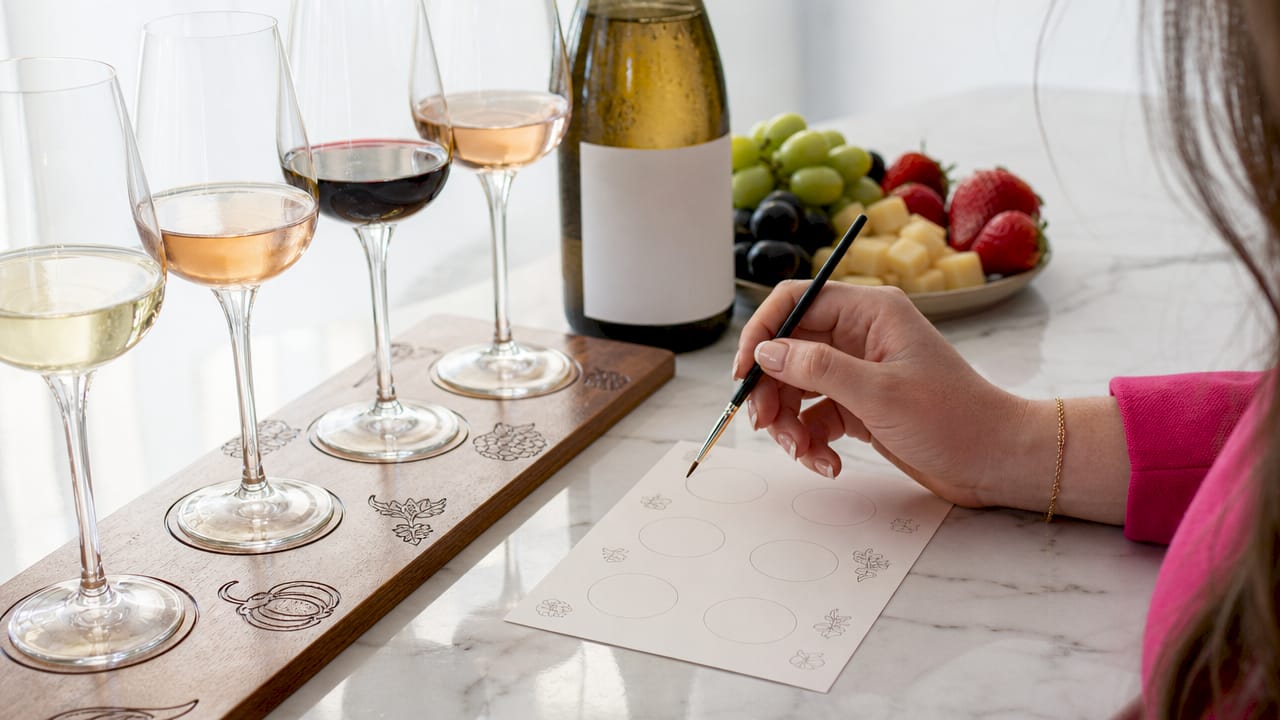
Pro Tip: Print tasting placemats with scoring columns before the party. Guests fill them in as they go, which keeps the game organized and gives everyone a souvenir to take home.
2. Wine bingo for novices and enthusiasts alike
Wine bingo uses sommelier phrases and tasting descriptors as the squares on each card. Guests mark a square when they hear a term used or when they taste that descriptor in their glass. Wine bingo addresses both novices and enthusiasts simultaneously by adjusting the play style to match the group.
Two play styles work well:
- Passive bingo: Guests mark squares when the host or another player says a term aloud. This works perfectly for groups new to wine vocabulary.
- Active bingo: Guests mark squares when they personally taste a descriptor in their glass. This version suits groups with more wine experience.
Customizable bingo cards make this one of the most flexible group wine tasting games on any list. You can theme the cards around a specific region, grape variety, or even a running joke from your friend group. Wine trivia decks with 24 cards pair well alongside bingo rounds to keep larger groups entertained between pours.
Pro Tip: Print multiple bingo card variations so no two guests have the same card. That small change makes the game feel more competitive and extends play time naturally.
3. Wine trivia nights that reward curiosity
Wine trivia is a card-based game format where the host reads questions and guests answer individually or in teams. Questions cover grape varieties, wine regions, food pairings, and wine history. The format rewards curiosity without punishing gaps in knowledge, which makes it one of the best wine tasting games for mixed groups.
The team format works especially well for larger gatherings. Split guests into groups of three or four, give each team a name, and keep a running score on a whiteboard. That structure creates friendly rivalry without putting any single person on the spot. Trivia also works as a filler activity between blind tasting rounds to keep the pace moving.
Pre-packaged trivia card decks are widely available and require no prep beyond shuffling. For a more personal touch, write custom questions based on the wines you are serving that night. That approach ties the trivia directly to the tasting and makes the answers feel immediately relevant.
4. Label design contest: the most creative wine tasting activity
The label design contest is a hands-on game where guests taste a wine blind and then draw or describe the label they imagine for it. Each person works independently for five to ten minutes, then shares their creation with the group. The results are almost always funny, which makes this one of the most social and low-pressure fun wine tasting ideas on any list.
This game requires nothing more than paper, markers, and the wines already on the table. No wine knowledge is needed. Guests vote on their favorite label at the end, and the winner gets a small prize or simply the bragging rights. The game works for groups of any size and any experience level.
For a more polished version, print blank label templates in advance. Guests fill them in with a name, a vintage year, and a short tasting note. Those finished labels become a memorable keepsake from the night.
5. Create Your Own Blend: the premium wine tasting experience
Blending sessions let guests mix two or three wine components to create their own personalized bottle. Create Your Own Blend classes last 60–90 minutes and cost $125–$150 per person at venues like RD Winery in Napa Valley. Participants take home a custom-labeled bottle, which makes this one of the most memorable wine tasting night ideas available.
| Format | Time Required | Cost Range | Best For |
|---|---|---|---|
| DIY blending kit at home | 60–90 minutes | Low (wine cost only) | Small groups, casual nights |
| In-person blending class | 60–90 minutes | $125–$150 per person | Special occasions, wine enthusiasts |
| Guided virtual blending | 45–60 minutes | Varies by provider | Remote groups, bachelorette events |
DIY blending at home requires three to four base wines and small measuring cups. Guests experiment with ratios, taste each blend, and settle on a final combination. The process teaches more about wine structure than almost any other game format.
6. Wine scavenger hunt: a game that moves the party
A wine scavenger hunt sends guests searching for clues tied to wine facts, bottle labels, or tasting notes hidden around the venue. Each clue leads to the next, and the final destination is usually a prize bottle or a special pour. This format works best for groups of six or more and adds physical movement to what is otherwise a seated event.
The setup takes about 30 minutes of prep. Write five to eight clues that reference details from the wines being served that night. For example, a clue might read: “Find the wine that smells like black cherry and vanilla.” That clue points guests toward a specific bottle on the table. The game rewards observation and keeps guests engaged between formal tasting rounds.
A scavenger hunt also works well as an icebreaker at the start of the night. Guests arrive, receive their first clue, and immediately have a reason to move around and talk to each other.
7. How to choose the right game for your group
Selecting the right game depends on three factors: group size, wine knowledge, and the atmosphere you want to create. Games that avoid fast reflexes or manual dexterity work best at wine tastings, since motor skills decline after multiple pours. Observation and social games consistently outperform reflex-based formats.
Use this framework to match the game to your group:
- Small groups (2–5 people): Blind tasting and label design work best. Both formats generate conversation naturally and do not require large teams.
- Medium groups (6–10 people): Wine bingo and trivia scale well. Split into teams to keep everyone involved.
- Large groups (10+ people): Scavenger hunts and trivia tournaments work best. These formats handle crowd energy without losing structure.
- Novice groups: Passive bingo and price guessing lower the barrier to entry. No wine vocabulary is required.
- Experienced groups: Blind tasting with regional identification and blending sessions offer enough challenge to stay interesting.
For a full wine tasting party setup guide covering supplies and logistics, Girlshappyhour has a detailed resource built specifically for friend groups.
Key takeaways
The most effective wine tasting game ideas list combines blind tasting, bingo, trivia, and creative challenges matched to group size and knowledge level.
| Point | Details |
|---|---|
| Blind tasting leads the list | It works for 5–10 guests, costs little beyond wine, and runs 60–90 minutes. |
| Bingo suits all skill levels | Passive play for novices and active play for enthusiasts make it universally flexible. |
| Creative games need no expertise | Label design and scavenger hunts generate laughs without requiring wine knowledge. |
| Blending is the premium option | In-person classes cost $125–$150 per person and produce a custom bottle keepsake. |
| Match the game to the group | Group size, wine familiarity, and desired pace determine which format works best. |
Why games are the secret to a great wine night
The first time I added a blind tasting round to a girls night, the group spent 45 minutes debating whether a $12 bottle beat a $40 one. It did. That moment changed how I think about wine gatherings entirely.
Games remove the pressure of expertise and replace it with shared curiosity. The guest who knows nothing about Burgundy is just as valuable as the one who does, because the game rewards honesty and instinct over credentials. That democratizing effect is what makes these formats work so well for friend groups.
The mistake most hosts make is choosing only one game for the whole night. A better approach is to layer two formats: start with something social like bingo or trivia to warm the group up, then move into blind tasting once everyone is relaxed. The shift in format keeps energy high and gives the night a natural arc.
One more thing worth saying: keep the scoring light. A whiteboard tally or a simple paper scorecard is enough. The moment scoring feels like homework, the fun drains out of the room. The goal is a night people talk about for weeks, not a wine certification.
— Stephen
Wine night gear that matches the vibe
A great game night deserves the right outfit. Girlshappyhour makes wine-themed tees built for exactly this kind of gathering: casual, funny, and designed for the group rather than the solo drinker.
The Unsupervised and Over-Poured Tee captures the energy of a blind tasting night perfectly. For something with a classic wine pun, the Pinot Noir-mal Behavior Tee is a crowd favorite. Both make great group gifts or matching party attire. Check out the full wine night shirt collection at Girlshappyhour for more options that fit the occasion.
FAQ
What is the easiest wine tasting game for beginners?
Wine bingo is the easiest starting point. Guests mark squares when they hear tasting terms, so no prior wine knowledge is needed.
How many wines do you need for a blind tasting game?
Blind tasting works best with 3–5 wines per round. That range gives guests enough variety to compare without overwhelming the palate.
How long does a wine tasting game night last?
Most wine tasting game nights run 2–3 hours. Blind tasting sessions alone take 60–90 minutes, so plan accordingly if you are combining multiple game formats.
What games work best for large wine tasting parties?
Trivia tournaments and scavenger hunts scale best for groups of ten or more. Both formats handle crowd energy without losing structure or requiring individual attention from the host.
Do wine tasting games require expensive supplies?
Most formats require only the wines, paper, and pens. Blending classes are the exception, costing $125–$150 per person at dedicated venues.