

Wine Night Invitation Ideas That Set the Perfect Vibe
A wine night invitation is the first taste your guests get of the event. It sets the mood, communicates expectations, and determines whether people show up excited or uncertain. The best wine night invitation ideas go beyond listing a date and address. They reflect the theme, hint at the activities, and give guests exactly what they need to prepare. Whether you are planning a casual sip-and-chat or a structured blind tasting challenge, the invitation is where the experience begins.
What makes a great wine night invitation idea?
The invitation is a guest’s first interaction with the event’s atmosphere and can directly shape their level of excitement. A generic “come over for wine” text does not build anticipation. A well-crafted invite that names the theme, hints at the games, and uses sensory language does. That difference shows up in your RSVP rate and the energy guests bring through the door.
Strong wine night invitations share three qualities. They match the event’s vibe visually and in tone. They give guests clear instructions without overwhelming them. They make the night sound fun enough that saying no feels like a real loss.
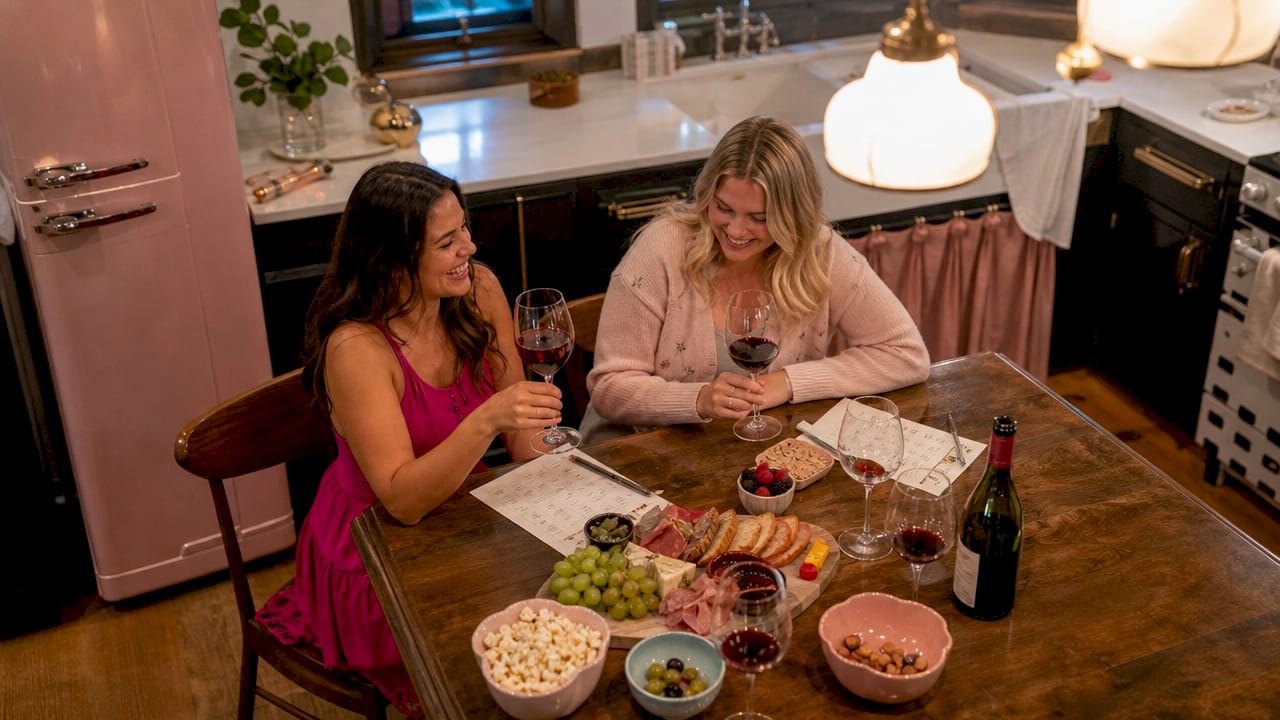
The format matters too. Print invitations work well for formal or milestone wine nights. Digital invites sent via SMS or messaging apps are the better choice for casual gatherings, because SMS delivers higher engagement and faster RSVPs than email. A hybrid approach, where you send a digital invite and follow up with a printed card or themed item, works for events where the invitation itself is part of the gift.
Pro Tip: Upload a photo of your actual dining setup or a label from your favorite wine bottle when building a digital invite. Avoiding generic clipart makes the invitation feel personal and intentional, which increases guest anticipation.
How to choose the right invitation style for your theme
The invitation style should match the event format before anything else. A casual girls’ night with a “$15 and under” bottle rule calls for a playful, low-key design with warm colors and a conversational tone. A structured wine tasting party with a regional theme, like “Wines of Burgundy,” calls for a cleaner design with more formal language and a clear agenda.
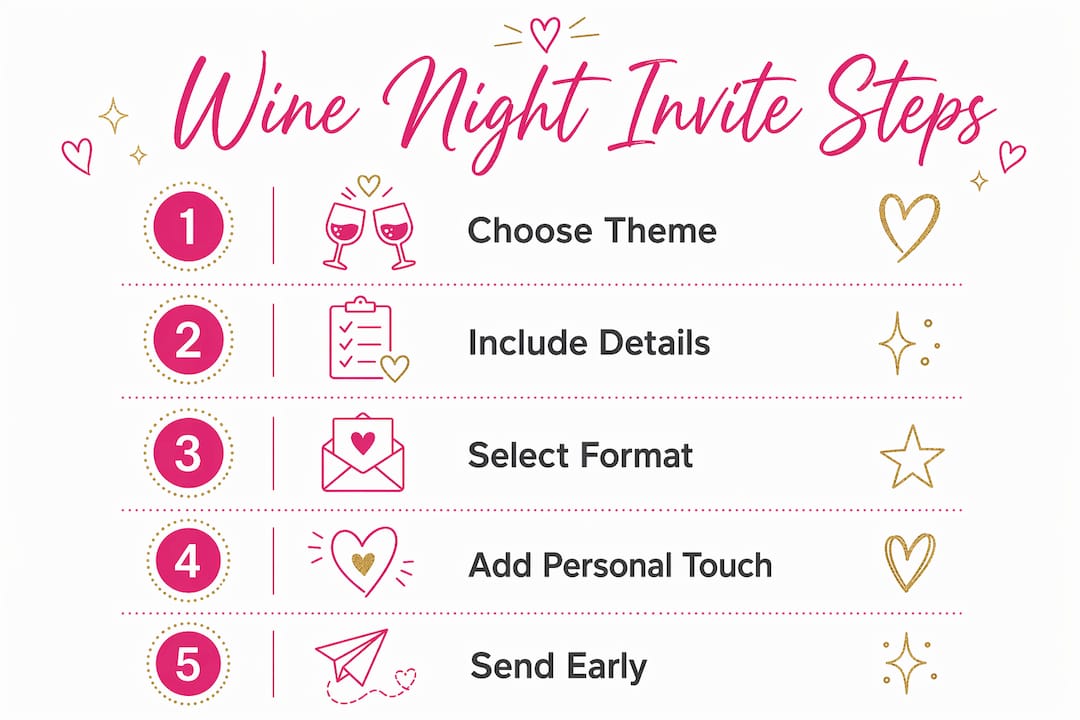
Use color and imagery deliberately. Deep burgundy and gold signal elegance. Bright pastels or illustrated wine glasses signal fun and casual. Sensory language in the copy, phrases like “rich, velvety reds” or “crisp summer whites,” sets sophisticated yet warm expectations without requiring guests to know anything about wine.
Consider these invitation style options based on your event type:
- Casual sip night: Bright design, short copy, emoji-friendly digital format sent via group chat
- Blind tasting challenge: Mysterious tone, minimal details about the wines, emphasis on the game element
- Seasonal theme night: Imagery tied to the season (autumn leaves, spring florals), wine region or varietal focus
- Budget bottle swap: Clear “$15 and under” rule front and center, playful language about the surprise factor
- Game night hybrid: Bold headline naming the game, brief rules summary, casual dress code note
The wine night vs. wine tasting distinction matters here. A wine night is social first, wine second. A wine tasting is structured and educational. Your invitation style should reflect which one you are hosting, so guests arrive with the right mindset.
What key details to include in every wine night invite
Clear information prevents the most common hosting headaches. Guests who do not know what to bring, what to wear, or how long to stay create last-minute confusion. The invitation is the right place to solve all of that upfront.
Include these details in every invite, in this order:
- Date and start time. State the day, date, and exact start time. Do not leave this vague.
- Duration. The ideal wine night runs 2–3 hours for casual evenings. Game nights can run up to 5 hours. Tell guests what to expect so they can plan accordingly.
- Theme description. Name the theme clearly. “Blind Tasting Challenge” or “Rosé All Day” tells guests more than “wine night” ever will.
- What to bring. Specify the bottle budget, varietal, or region. Include prep instructions: chill whites 2–3 hours before arrival, open reds 30–60 minutes in advance. Guests who prepare correctly improve the whole group’s experience.
- Dress code or ambiance note. Even a single line like “casual chic” or “come as you are” removes uncertainty. A full wine night dress code guide can help you decide what to communicate.
- RSVP instructions. Give a clear deadline and a three-option response: Attending, Maybe, or Declined. A “Maybe” RSVP option reduces ghosting and gives you a realistic headcount for planning.
- Budget note (if applicable). For themed events like a “$15 and under” tasting, state the rule clearly. Budget-friendly wine nights under $50 total are entirely achievable when guests know the contribution expectations upfront.
Best practices for sending wine night invitations digitally
Digital invitations are the standard for casual wine nights in 2026. Email open rates lag behind SMS and messaging apps by a wide margin. Sending your invite through a group text, WhatsApp, or a dedicated event app puts it directly in front of guests where they already spend time.
Key practices for digital wine night invitations:
- Send 7–14 days out. This gives guests enough time to plan without the invite getting buried.
- Use a mobile-friendly RSVP link. If guests have to pinch and zoom to respond, many will not bother.
- Include a reminder 48 hours before. A short follow-up message with the key details (address, what to bring, start time) cuts down on day-of questions.
- Broadcast prep instructions separately. Send a second message the morning of the event reminding guests to chill their whites or open their reds. Clear pre-event instructions reduce host stress and improve the tasting experience.
- Allow a “Maybe” response. A three-option RSVP gives you a realistic range for planning and reduces the chance of guests simply not responding at all.
Pro Tip: For recurring wine nights with the same group, create a saved message template with your standard details. Update only the date, theme, and bottle instructions each time. This keeps your invitations consistent and saves you 20 minutes of rewriting.
Creative wine night invitation ideas that highlight games and themes
Mentioning a game or activity in the invitation is one of the most effective ways to boost RSVPs. Games make wine nights more approachable for guests who do not consider themselves wine people. When the invite says “no wine knowledge required, just show up ready to guess,” the barrier to saying yes drops significantly.
Low-prep, high-social formats are trending in 2026. Invitations that note no prior knowledge is needed attract a wider guest list and reduce the intimidation factor that keeps casual drinkers from committing.
Here are invitation concepts built around specific themes and games:
- Blind Tasting Challenge: “Can you tell a $12 bottle from a $40 one? Bring a bottle in a bag. No labels allowed. Winner gets bragging rights.” This framing makes the game the headline and the wine secondary.
- $15 and Under Swap: “Every bottle must cost $15 or less. Bring your best budget find. We vote on the winner.” Clear rules, low cost, high fun.
- Seasonal Sip Night: Tie the theme to the time of year. A spring invite might read “Light whites and rosés only. Think patio weather in a glass.” Seasonal themes give guests a clear buying direction.
- Wine and Conversation Cards: Mention that the night includes guided conversation prompts. This signals a more intimate, intentional gathering and appeals to guests who want connection over competition.
- Varietal Showdown: Pick one grape variety and ask everyone to bring a different bottle made from it. The invite explains the concept in two sentences and promises a side-by-side comparison.
| Theme | Invitation headline example | Guest prep required |
|---|---|---|
| Blind Tasting Challenge | “Guess the grape. Guess the price.” | Wrap bottle before arrival |
| $15 and Under Swap | “Best budget bottle wins.” | Stay under $15 |
| Seasonal Sip Night | “Spring whites and rosés only.” | Buy a seasonal varietal |
| Varietal Showdown | “One grape, many bottles.” | Buy the named varietal |
| Wine and Conversation Cards | “Sip, share, connect.” | Nothing extra needed |
For wine tasting game ideas that pair well with these invitation concepts, there are ready-made formats that work for any group size.
Key Takeaways
The most effective wine night invitations combine a clear theme, specific logistics, and a digital delivery method that makes RSVPs effortless.
| Point | Details |
|---|---|
| Lead with the theme | Name the event concept in the first line so guests know exactly what to expect. |
| Include prep instructions | Tell guests to chill whites 2–3 hours out and open reds 30–60 minutes before arrival. |
| Use SMS or messaging apps | Digital invites via text or group chat deliver higher open rates and faster RSVPs than email. |
| Offer a three-option RSVP | Attending, Maybe, and Declined gives you an accurate headcount and reduces ghosting. |
| Match design to event vibe | Casual nights call for playful copy; structured tastings call for cleaner, more formal language. |
What I have learned from hosting wine nights that actually work
The biggest mistake hosts make is treating the invitation as an afterthought. I have seen well-planned wine nights fall flat because the invite was a last-minute group text with no theme, no instructions, and no clear RSVP ask. Guests showed up with random bottles, no idea what to wear, and no sense of what the night was supposed to feel like. The host spent the first hour managing confusion instead of enjoying the gathering.
The fix is simple but requires intention. Write the invitation before you finalize anything else. The process of writing it forces you to answer every question a guest might have. If you cannot explain the theme in two sentences, the theme is not clear enough yet.
I have also found that the invitation sets the social contract for the night. When you name a game in the invite, guests arrive expecting to play. When you mention conversation cards, guests arrive in a more open, reflective mood. The invitation does not just inform. It shapes behavior before anyone walks through the door.
For recurring wine nights, evolve the invitation each time. Change the color scheme with the season. Rotate the theme. Reference the last event with a line like “Last time, the $12 bottle won. Can you beat it?” That kind of continuity builds a group culture around the gathering, and guests start looking forward to the next invite before the current night is even over.
— Stephen
Wine night shirts and accessories from Girlshappyhour
Planning a wine night is more fun when the whole group looks the part. Girlshappyhour makes wine-themed apparel built for exactly these gatherings, from casual sip nights to full blind tasting events.
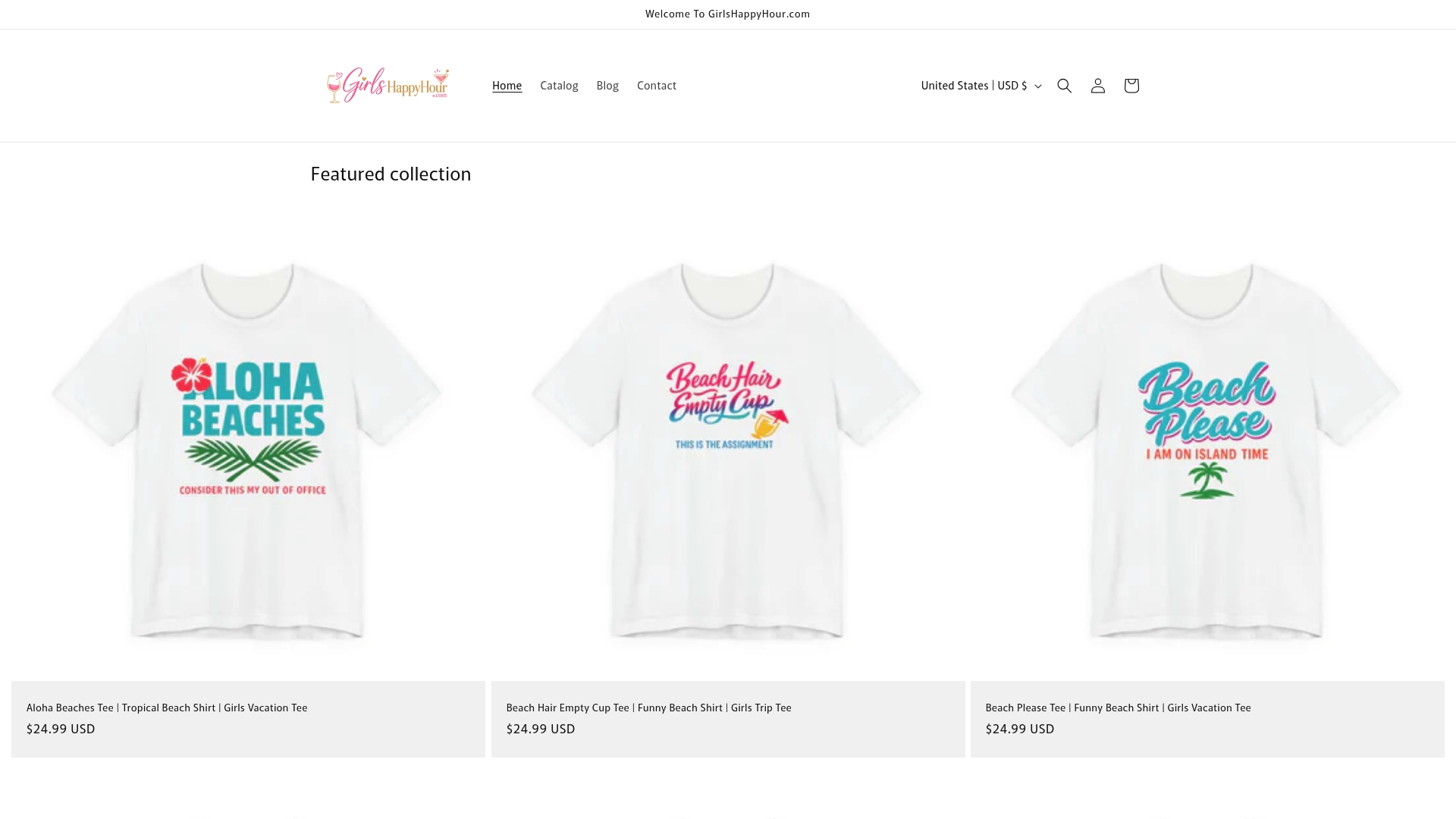
The Pinot Noir-mal Behavior Tee is a crowd favorite for wine nights where the vibe is fun and a little sassy. The Unsupervised & Over-Poured Tee works perfectly for a girls’ night where the dress code is “come as you are, leave as a legend.” Matching shirts add a visual theme that photographs well and gives guests something to talk about before the first bottle is even opened. Browse the full collection at Girlshappyhour for options that fit every wine night format.
FAQ
What should a wine night invitation always include?
Every wine night invite needs a date, start time, expected duration, theme description, what to bring, and a clear RSVP method. Including prep instructions, like chilling whites 2–3 hours before arrival, prevents last-minute confusion.
How far in advance should I send wine night invitations?
Send invitations 7–14 days before the event. This gives guests enough time to buy a bottle and plan their schedule without the invite getting forgotten.
What is the best format for wine night invitations?
SMS and messaging apps deliver the highest open and response rates for casual wine nights. Digital invites with a mobile-friendly RSVP link outperform email for speed and engagement.
How do I make a wine night invitation more creative?
Name a specific game or theme in the headline, use sensory language to describe the wines, and customize the design with a photo of your actual setup or a wine label. Generic templates produce generic enthusiasm.
Should I mention a dress code in the invitation?
Yes. Even a single phrase like “casual chic” or “come as you are” removes uncertainty and helps guests feel prepared. A clear dress code note also reinforces the event’s tone before anyone arrives.