

8 Types of Wine Night Formats for Your Friend Group
Wine night formats are defined social frameworks for enjoying wine with friends, each designed to match a different mood, group size, and occasion. The right format turns a simple bottle-opening into a real event. Ideal wine nights run 2–3 hours and work best with 4–10 guests, with 4–6 being the sweet spot for intimacy and easy management. The types of wine night formats you choose shape everything: how much wine you need, how structured the evening feels, and how much your group actually talks to each other.
1. What are the most popular types of wine night formats?
The two most common wine night formats are the structured tasting and the casual wine party. Both work well, but they deliver very different experiences. Knowing the difference helps you pick the right one before you buy a single bottle.
Structured wine tasting uses small pours, a set progression, and a focused atmosphere. Guests evaluate each wine before moving to the next. You need fewer bottles because pours are smaller: 3–4 bottles for 6 people covers a structured tasting comfortably. That efficiency makes structured tastings a good choice when you want depth over volume.
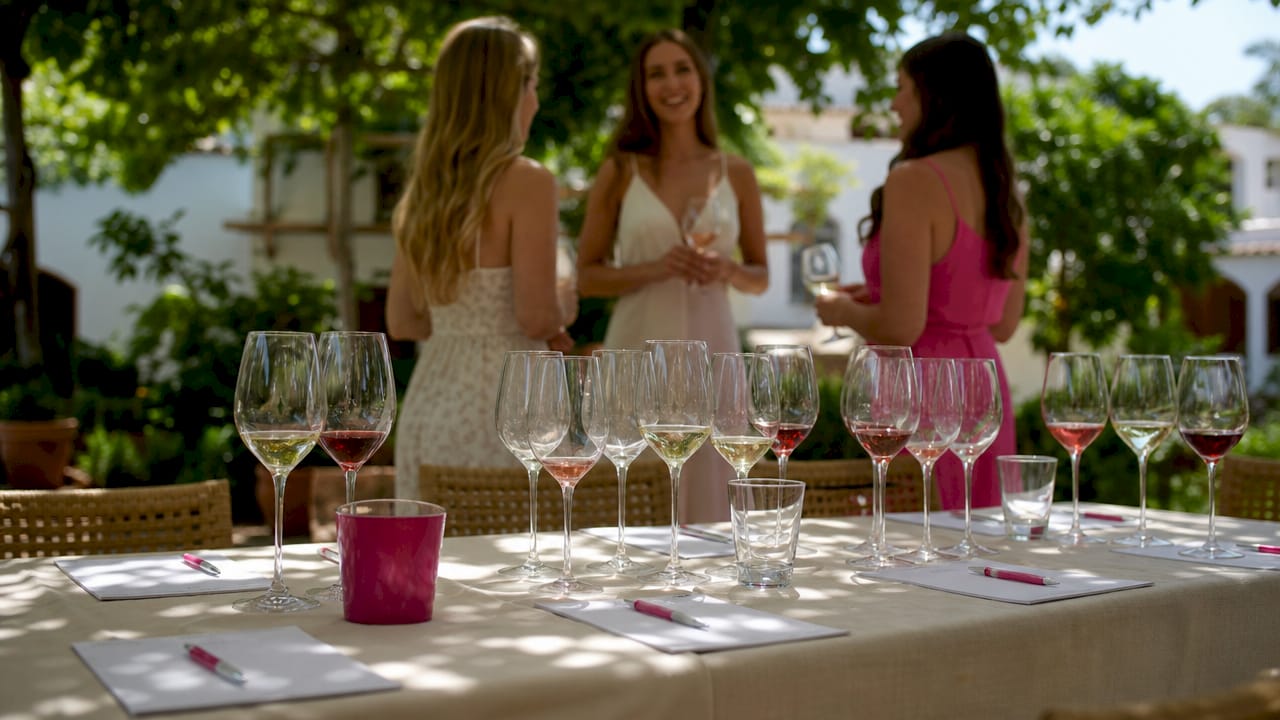
Casual wine parties are looser. Guests pour full glasses, conversation flows freely, and the wine is more backdrop than subject. The tradeoff is quantity: plan on 1 bottle per 2–3 guests for a relaxed dinner-style night. That adds up fast for larger groups.
Key differences at a glance:
- Structured tasting: small pours, guided order, note-taking, 3–4 bottles for 6 guests
- Casual wine party: full glasses, open conversation, 1 bottle per 2–3 guests
- Structured events feel more like an activity; casual parties feel more like dinner
Pro Tip: Serve whites 15 minutes out of the fridge before pouring. Reds taste best slightly below room temperature, around 65–70°F. Muted flavors are almost always a temperature problem, not a wine problem.
2. Themed wine nights: around the world, price point, and varietal focus
Wine night themes increase engagement by giving the evening a clear direction. They structure both the shopping and the conversation, so guests arrive with context instead of just a bottle. Three themes consistently deliver strong results for friend groups.
Around the world assigns each guest a country or region. Everyone brings a bottle from their assigned place. France, Argentina, South Africa, and New Zealand all show up on the same table. The format teaches geography through taste and sparks natural debate about which region wins.
Price point challenge is the most competitive theme. You compare budget bottles (under $15) against premium ones (over $30) in a blind format. Groups are often shocked by the results. A budget-friendly wine night using this theme with grocery snacks can cost the whole group under $50.
Varietal focus zeroes in on one grape, like Pinot Noir or Chardonnay, from multiple producers or winemaking regions. The differences between a California Chardonnay and a French Burgundy are dramatic. This format builds real wine knowledge without requiring any prior expertise.
Benefits of using a theme:
- Gives guests a clear shopping brief
- Creates built-in conversation topics
- Adds light competition and surprise
- Works for any budget or knowledge level
3. Interactive and game-based formats: blind tastings, trivia, and pairing challenges
Game-based wine nights lower the pressure on guests who feel intimidated by wine. When the format is a game, no one has to perform expertise. Everyone just plays.
Blind tasting is the most popular interactive format. Bottles go into paper bags or sleeves, and guests guess the grape, region, or price. The structured blind tasting format works best when you build in a silent two-minute note-taking period before group discussion. That pause prevents one confident voice from swaying everyone else’s opinion before they’ve formed their own.
Wine trivia adds a knowledge layer without requiring anyone to taste critically. Questions can cover wine regions, grape names, food pairings, or pop culture wine moments. Teams of two work better than individual play because they spark side conversations.
Pairing challenges combine wine with food in a structured test. Common formats include:
- Cheese pairing: guests match 3 wines to 3 cheeses and vote on the best combination
- Chocolate pairing: dark, milk, and white chocolate each pair differently with reds and whites
- Snack bracket: a bracket-style tournament where wine and snack combos compete head to head
Pro Tip: Pre-taste every bottle before your guests arrive. Corked or flawed wine ruins a blind tasting instantly. Keep one backup bottle on hand for exactly this reason.
4. Creative activity combos: paint-by-numbers and artistic wine nights
Hybrid wine nights blend wine with a hands-on activity. The activity does the social heavy lifting. Guests focus on the task, which removes the awkwardness of forced conversation and creates natural moments for laughter.
Paint-by-numbers wine nights are the most popular version of this format. The concept comes directly from paint-and-sip studios, which built a whole industry around the idea that creativity and wine together produce a relaxed, memorable social experience. You replicate it at home for a fraction of the cost.
The format works because the activity creates a “third space” where guests are neither performing wine knowledge nor just sitting and talking. They’re making something. That shared focus reduces self-consciousness and produces the kind of easy conversation that’s hard to manufacture any other way.
Practical setup tips for activity-based wine nights:
- Choose activities with clear steps: paint-by-numbers, candle making, or pottery kits all work well
- Keep wine quantities moderate: 1 bottle per 2 guests is enough when hands are busy
- Set up supplies before guests arrive so the activity starts immediately
- Ideal group size is 4–8; larger groups make the activity feel chaotic
5. Virtual wine night formats for remote friend groups
Virtual wine nights are a fully functional format, not a compromise. They work best when the group ships the same bottles to each location in advance, or when everyone agrees on a specific wine to source locally before the call.
The virtual tasting format follows the same structure as an in-person tasting: a set wine order, tasting notes, and a shared discussion. The main difference is that the host controls pacing more deliberately because natural conversation cues are harder to read on video. Shorter sessions of 60–90 minutes work better than trying to replicate a full 3-hour in-person night.
Game formats translate well to virtual settings. Blind tastings, trivia rounds, and price point challenges all work on video. Pairing challenges are slightly harder because guests need to source the same food items, but a shared grocery list sent in advance solves that problem.
6. Wine education nights: sommelier-style learning for non-experts
A wine education night is a structured tasting with an explicit learning goal. The host or a designated “wine lead” prepares a short briefing on each wine: the region, the grape, and one or two flavor notes to look for. Guests taste with that context in mind.
Hosting a wine education night does not require sommelier training. The structure itself is what makes it feel like an event rather than a casual party. A printed tasting card for each wine, with space for notes, is enough to set the right tone.
The recommended wine progression order for education nights is: sparkling, light whites, fuller whites, light reds, bold reds, and dessert wines last. That sequence preserves palate sensitivity across the full tasting. Reversing it, or jumping between styles, dulls the ability to detect subtle differences.
7. Seasonal and occasion-specific wine night formats
Seasonal formats tie the wine selection to a time of year or a specific occasion. A fall wine night might focus on Burgundy reds and spiced whites. A summer version might feature rosés and crisp Sauvignon Blancs. The season gives the theme without requiring any extra planning.
Occasion-specific formats work the same way. A bachelorette wine night, a birthday tasting, or a girls’ trip wine event each calls for a slightly different tone. Bachelorette formats tend to be louder and game-heavy. Birthday tastings often center on the guest of honor’s favorite varietals. Girls’ trip formats prioritize portability and low setup.
The key insight is that the occasion defines the format, not the other way around. Start with what the group is celebrating, then choose the format that fits the energy.
8. Choosing the right format for your group and occasion
The right wine night format depends on four factors: group size, wine knowledge, budget, and desired energy level. No single format works for every group.
| Format | Interaction level | Complexity | Best for |
|---|---|---|---|
| Casual wine party | Low | Low | Large groups, first-timers |
| Structured tasting | Medium | Medium | Wine-curious groups |
| Themed night | Medium | Low | Mixed knowledge levels |
| Blind tasting game | High | Medium | Competitive friend groups |
| Activity combo | High | Low | Groups who want a relaxed vibe |
| Wine education night | Medium | High | Groups who want to learn |
| Virtual tasting | Medium | Medium | Remote or long-distance groups |
Budget is a real constraint. A themed price point challenge with grocery snacks keeps total costs under $50 for a group of six. A structured education night with 6–8 different bottles costs more but delivers a deeper experience. Match the format to what the group will actually enjoy, not to what sounds most impressive.
Pro Tip: For mixed groups where some guests know wine and others don’t, use a blind tasting game. It levels the playing field completely. The person who knows the least often wins.
Key takeaways
The most effective wine night format matches the group’s energy, knowledge level, and budget rather than defaulting to the most complex option.
| Point | Details |
|---|---|
| Format shapes the whole evening | Choose the format before buying wine; it determines quantity, structure, and tone. |
| Structured tastings need fewer bottles | Plan 3–4 bottles for 6 guests in a tasting vs. 1 bottle per 2–3 guests for a casual party. |
| Themes drive engagement | Themes like “Around the World” or price point challenges give guests a shopping brief and built-in conversation. |
| Games lower the pressure | Blind tastings and pairing challenges make wine approachable for guests with no wine background. |
| Activity combos create natural conversation | Pairing wine with a hands-on activity removes social awkwardness and produces relaxed interaction. |
Why the format matters more than the wine
After years of watching friend groups plan wine nights, the pattern is clear: the wine is rarely what people remember. The format is. A mediocre bottle in a great blind tasting game beats an excellent bottle poured at a forgettable dinner party every time.
The mistake most groups make is treating the format as an afterthought. They pick the wine first, then figure out the evening around it. That’s backward. The format determines how much wine you need, how long the night runs, and whether guests actually talk to each other or just sit in parallel.
My honest recommendation: start with the least experienced wine drinker in your group and build the format around them. A blind tasting game or a price point challenge gives that person a genuine shot at winning. When the format is inclusive, the whole group has more fun. The wine knowledge gap disappears because everyone is guessing.
The other thing most articles won’t tell you: pre-taste every bottle before guests arrive. One corked wine in a blind tasting ruins the whole round. It takes 10 minutes and saves the evening.
— Stephen
Wine night tees that fit the vibe
A great format deserves a great outfit. Girlshappyhour makes wine-themed tees built specifically for group nights like these, from casual pours to full blind tasting competitions.
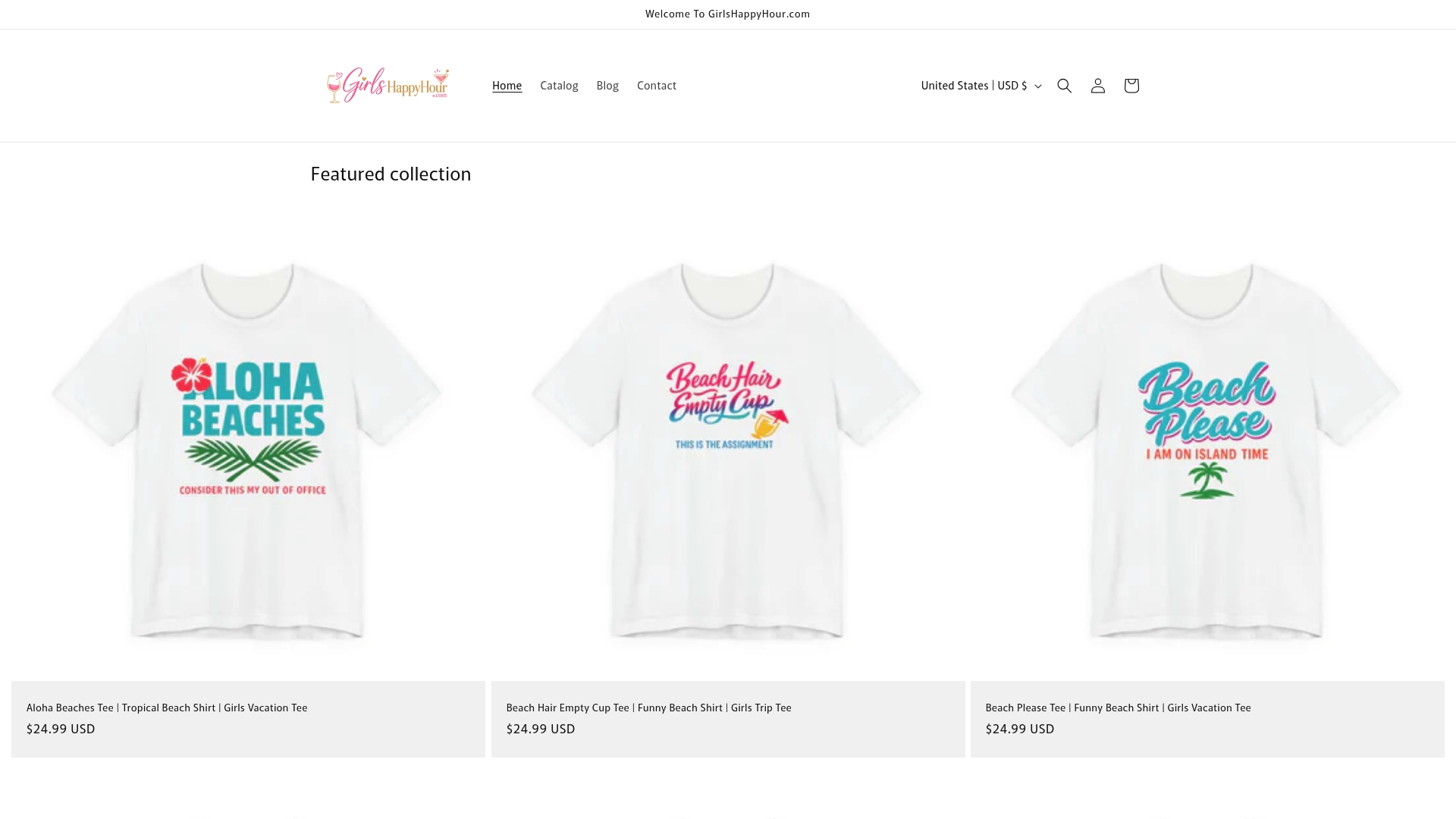
The Unsupervised & Over-Poured Tee is a crowd favorite for casual and game-based wine nights. For groups who lean into the chaos of a blind tasting or a price point challenge, the Bad Decisions, Great Stories Tee says exactly what the evening will deliver. Matching shirts also solve the dress code question before anyone asks. Check out wine night matching shirt ideas to coordinate your group’s look before the first pour.
FAQ
How many guests work best for a wine night?
The ideal wine night runs with 4–10 guests, with 4–6 being the sweet spot for easy conversation and manageable wine quantities.
How much wine do you need for a wine tasting night?
A structured tasting needs 3–4 bottles for 6 people due to small pours. A casual wine party requires roughly 1 bottle per 2–3 guests.
What is a blind tasting format?
A blind tasting covers each bottle so guests can’t see the label, then asks them to guess the grape, region, or price. It’s the most popular interactive wine night activity because it levels the playing field for all knowledge levels.
Do wine night themes actually improve the experience?
Yes. Wine night themes structure both the shopping and the conversation, giving guests a clear brief and built-in talking points before they arrive.
What is the correct order to serve wines at a tasting?
Serve wines in this order: sparkling, light whites, fuller whites, light reds, bold reds, and dessert wines last. That sequence keeps the palate fresh across the full tasting.