

Weekly Wine Night Benefits Women Actually Need in 2026
Weekly wine nights are defined as regular, intentional social gatherings where women meet to share wine, conversation, and connection on a consistent schedule. The benefits of weekly wine nights go well beyond the glass itself. Research links moderate wine consumption to a 23–33% reduced risk of premature mortality when paired with a Mediterranean-style diet. That number reflects what happens when enjoyment and lifestyle align. The Girlshappyhour community has built an entire culture around this idea: that showing up for your friends every week, glass in hand, is one of the best things you can do for yourself.
1. What are the key social benefits of weekly wine nights?
Wine functions as a social technology that lowers social barriers and encourages face-to-face intimacy. Its moderate alcohol content creates a relaxed rhythm for conversation without the rapid intoxication that shuts real talk down. That is exactly why wine nights work where group texts and video calls fall short.
Regular face-to-face socializing directly counters the digital isolation that defines modern life. When you sit across from someone with a glass in your hand, you slow down. You make eye contact. You actually listen.
“Wine nights are evolving into intentional shared activity spaces that combine socializing with hobbies or planning. Participants find the structure reduces social pressure and boosts emotional support.” — The Globe and Mail
The social benefits of wine nights compound over time. A group that meets weekly builds a shared history. Inside jokes form. Friendships deepen past the surface level that most adult relationships never break through. That consistency is the real product of a weekly ritual.
Wine also triggers endorphins that build trust and increase empathy. Shared drinking activates connection processes in the brain that make conversations feel more meaningful. That is not a coincidence. It is chemistry working in your favor.
- Consistent gatherings create a reliable emotional support network
- Shared activities like blind tastings or themed nights reinforce group cohesion
- Wine’s pace encourages longer, deeper conversations than cocktail-speed socializing
- Regular rituals give friendships structure that busy adult life rarely provides
2. How weekly wine nights support relaxation and mental well-being
Moderate wine consumption of 2–7 drinks per week is associated with a lower risk of depression. That range maps almost exactly to one or two glasses at a weekly gathering. The ritual itself carries as much weight as the wine.
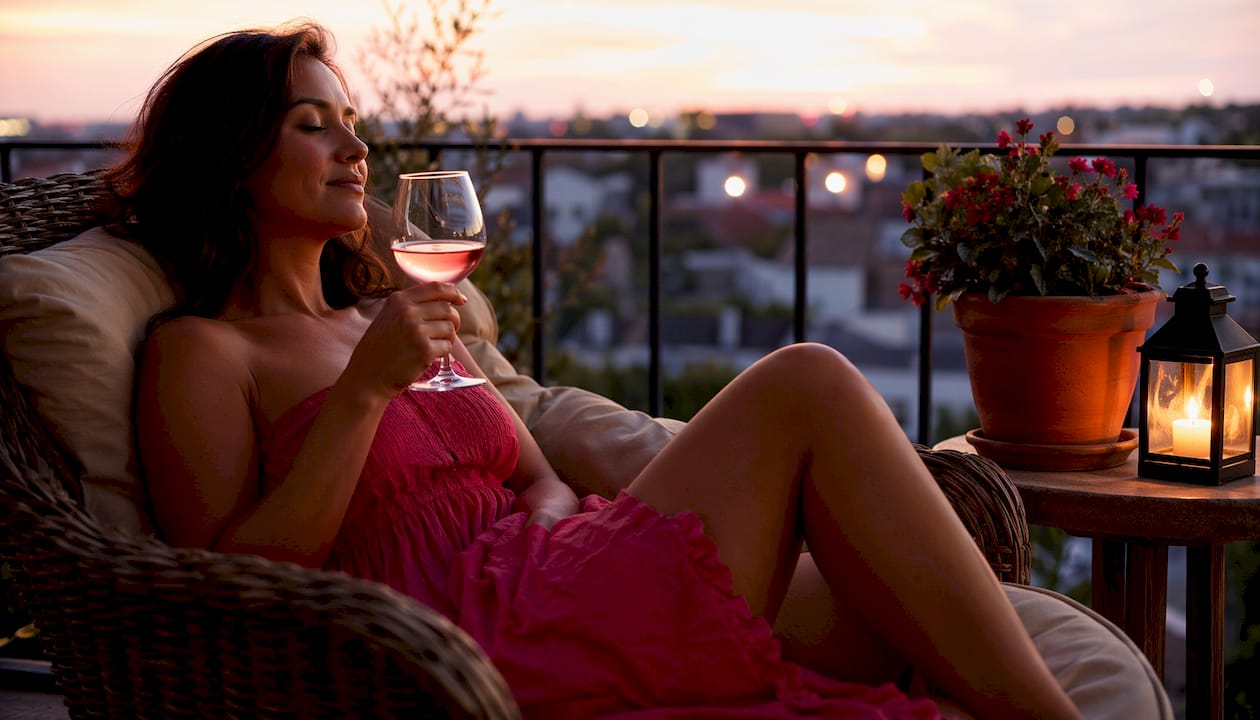
The act of setting aside a specific evening each week signals to your brain that rest is scheduled. You stop running through your to-do list. The conversation takes over. That mental shift is what makes wine nights genuinely restorative, not just fun.
Pro Tip: Keep your wine night to 2–3 hours. That window maintains energy and engagement without tipping into fatigue or overindulgence.
Wine’s typical alcohol content of 10–15% supports social intimacy by encouraging conversation without rapid intoxication. That is a meaningful distinction from higher-proof options. The pace of a wine night matches the pace of real human connection.
Health experts recommend viewing wine as a social lifestyle choice rather than a wellness product. That framing matters. The mental health benefit comes from the combination of moderate consumption, genuine connection, and intentional time away from screens and stress. No single element does it alone.
Key mental well-being advantages of a regular wine night routine:
- Scheduled downtime reduces chronic stress accumulation
- Social laughter and conversation lower cortisol levels naturally
- Mindful sipping slows the evening and encourages presence
- A recurring ritual gives the week a positive anchor point
3. Practical tips for hosting a budget-friendly weekly wine night
A well-run wine night does not require a big budget or a perfect host. Under $50 total covers the event comfortably when you choose bottles under $15 and keep snacks simple. The goal is connection, not catering.
Setting up the format
Plan for 3–4 wines per flight for a group of six. That number keeps the tasting focused without overwhelming anyone’s palate. Small pours per bottle across 3–4 bottles give everyone a taste without finishing every bottle before the conversation gets good.
Use a simple rotation for hosting duties. Each person takes a turn, which spreads the cost and gives everyone a chance to pick the theme. Themes like “under $15 reds” or “wines from one region” add structure without adding stress. Check out the wine night hosting checklist for a full planning breakdown.
Serving order and temperature
Serve whites cold and always pour more delicate wines before bold reds. Serving order dramatically affects how each wine tastes. A big Cabernet before a light Pinot Noir makes the Pinot disappear.
Open bottles 20–30 minutes before serving to let the wine breathe. Avoid salty snacks early in the evening. Salt dulls palate sensitivity and makes it harder to taste the differences between wines.
| Hosting Element | Recommendation |
|---|---|
| Budget per event | Under $50 total |
| Bottle price range | Under $15 per bottle |
| Number of wines | 3–4 per flight |
| Event duration | 2–3 hours |
| Serving order | Whites and delicate reds first |
| Palate cleansers | Plain water and neutral crackers |
Neutral crackers and plain water serve as palate cleansers between pours. They reset your taste buds so each wine gets a fair evaluation. Skip the flavored chips until after the tasting portion ends.
4. Fun formats and games that make wine nights memorable
The format of your wine night determines how much fun and connection actually happen. A blind tasting turns a quiet evening into a competitive, laugh-filled event. Using letters instead of numbers for blind tastings reduces social pressure and makes guessing feel like a game rather than a test.
Explore the full range of wine night formats to find what fits your group’s energy. Some groups love structure. Others want to pour, talk, and let the evening unfold. Both work.
Popular formats that keep gatherings fresh:
- Blind tasting: Cover labels and score wines by letter. Reveal at the end for maximum drama.
- Themed flights: Pick a region, grape variety, or price point. Everyone brings one bottle that fits.
- Trivia night pairing: Answer wine trivia between pours. Wrong answers mean a sip.
- Hobby combo night: Combine wine with a shared activity like painting, a book discussion, or a recipe swap.
- Planning night: Use the gathering to organize an upcoming trip or event together. Wine makes logistics fun.
The best formats mix a structured phase with a relaxed phase. Start with the tasting or game, then let the conversation take over naturally. That transition from activity to open talk is where the real bonding happens.
Pro Tip: Rotate formats every few weeks to keep the group excited. Predictability is comfortable, but variety keeps attendance strong.
The wine night vs. wine tasting distinction matters here. A wine tasting is structured and educational. A wine night is social first. The best gatherings borrow elements from both without committing fully to either.
Key takeaways
Weekly wine nights deliver the most value when they combine consistent scheduling, moderate consumption, and intentional social formats that deepen real friendships over time.
| Point | Details |
|---|---|
| Social connection | Regular wine nights build deeper friendships than occasional or digital socializing. |
| Mental well-being | Moderate wine consumption and scheduled downtime together reduce depression risk. |
| Budget hosting | Events under $50 with 3–4 wines and simple snacks deliver the full experience. |
| Format variety | Rotating formats like blind tastings and themed nights keeps groups engaged week to week. |
| Ritual consistency | A fixed weekly schedule gives friendships structure that busy adult life rarely provides. |
Why I think wine nights are underrated as a wellness practice
People talk about self-care like it requires a spa appointment or a meditation app. What I have seen, watching groups of women build real traditions around a weekly bottle and a few hours together, is that the most effective wellness practice is just showing up for each other.
The research on moderate wine consumption and depression risk is real. But the bigger story is the ritual. When you commit to the same evening every week, you are telling your friends and yourself that connection is not optional. That is a powerful statement in a culture that treats busyness as a badge of honor.
I have also noticed that the groups who stop worrying about hosting perfectly are the ones who keep going. The host who orders pizza and opens a $12 Malbec creates the same depth of connection as the one who spends all day cooking. The wine is the excuse. The friendship is the point.
The Girlshappyhour community gets this right. It celebrates the gathering itself, not the performance of it. Wear something fun, open something good, and let the evening do the rest.
— Stephen
Wine night apparel that makes the gathering official
Girlshappyhour designs apparel built for exactly this kind of gathering. The pieces are funny, specific, and made for women who take their friend time seriously.
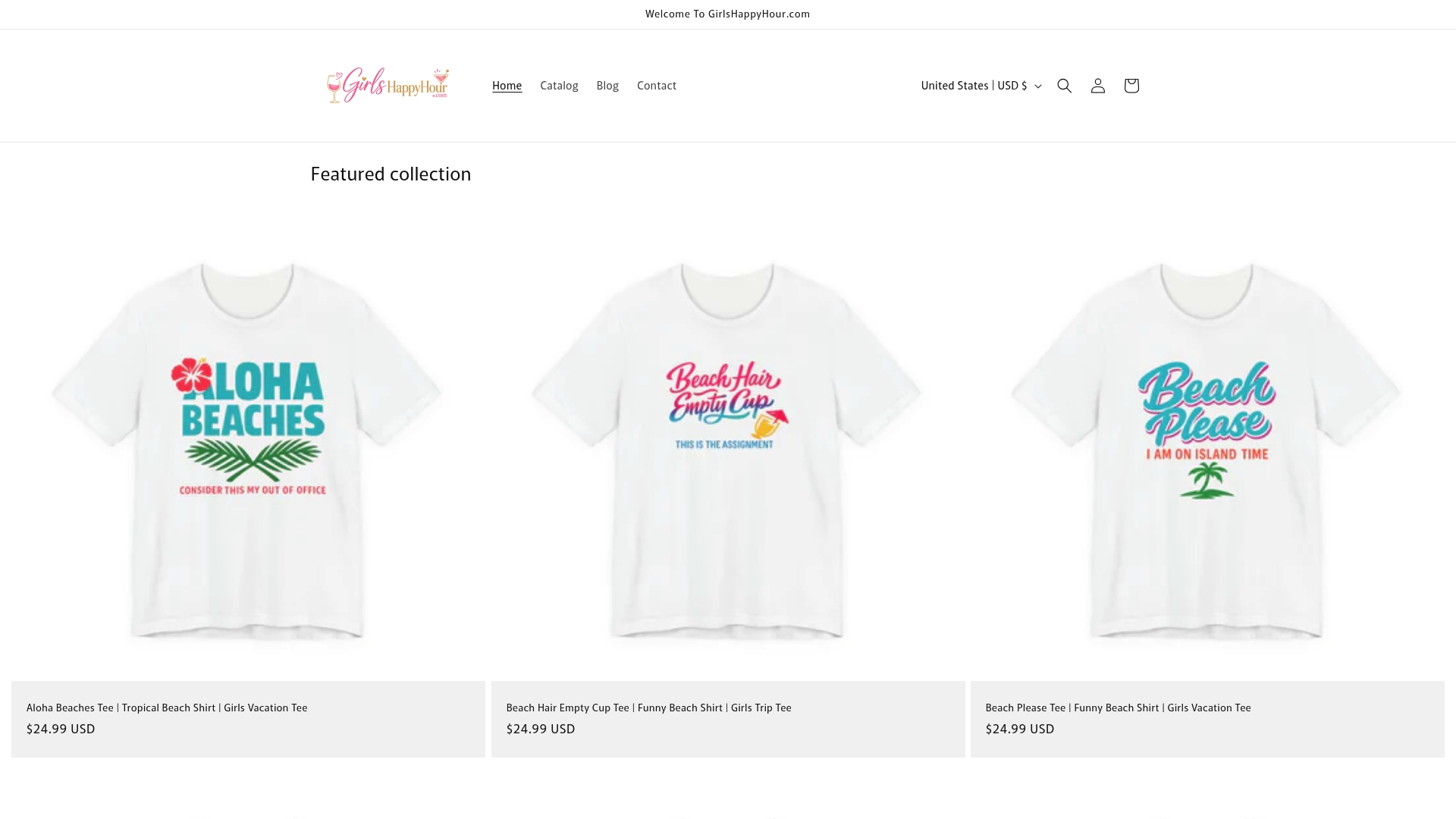
The Drink Till He’s Pretty Tee is a wine night staple. It sets the tone before the first bottle opens. For groups who want to arrive coordinated and leave with a shared memory, the Unsupervised & Over-Poured Tee delivers the same energy. Matching shirts turn a regular Thursday into something the group talks about for weeks. Browse the full collection at Girlshappyhour and find the piece that fits your crew.
FAQ
What are the main benefits of weekly wine nights?
Weekly wine nights build consistent social bonds, reduce stress through scheduled downtime, and support mental well-being through moderate wine consumption and face-to-face connection. The ritual aspect is as valuable as the wine itself.
How much should a weekly wine night cost?
A well-planned wine night costs under $50 total. Choose bottles priced under $15 and keep snacks simple with neutral crackers, cheese, and fruit.
How many wines should you serve at a wine night?
Limit flights to 3–4 wines per session. That number keeps the tasting focused, prevents palate fatigue, and leaves room for conversation.
Is drinking wine every week actually good for you?
Moderate consumption of 2–7 drinks per week is associated with lower depression risk. Health experts recommend treating wine as a social lifestyle choice rather than a health supplement.
What is the best format for a fun wine night?
Blind tastings using letter labels reduce social pressure and maximize fun. Rotating formats every few weeks, from themed flights to hobby combo nights, keeps attendance strong and the group engaged.