

Wine Pairing Explained for Your Next Gathering
Wine pairing is defined as the practice of matching a wine’s characteristics to a dish’s flavors so both taste better together. The industry term is “food and wine pairing,” and it rests on one core principle: match the wine’s body to the weight and intensity of the food. A delicate fish dish gets a light-bodied white. A rich braised short rib calls for a full-bodied red. Three wine traits drive every pairing decision: acidity, tannins, and sweetness. Get those three right, and you have what is a wine pairing explained in its most practical form.
What are the fundamental rules of wine pairing?
Wine pairing basics start with one rule: never let the wine overpower the food, or the food overpower the wine. The goal is balance. When you match the weight of the wine to the weight of the dish, neither one disappears.
Acidity is the most useful tool in food wine compatibility. High-acidity wines like Riesling or Sauvignon Blanc cut through fatty or creamy foods and refresh the palate between bites. Think of it as the same effect a squeeze of lemon has on a rich piece of salmon. That brightness lifts the dish instead of competing with it.
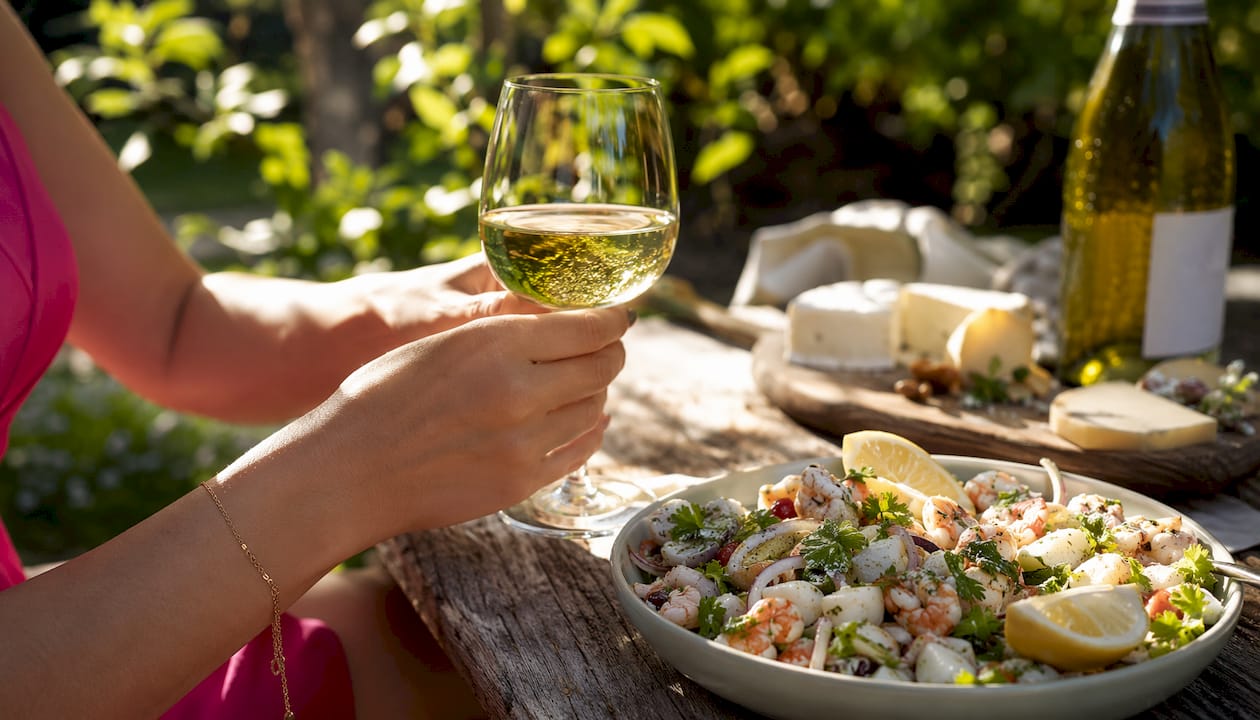
Tannins work differently. Tannins bind to protein and fat, which softens the wine and makes the food taste richer and more savory. This is why Cabernet Sauvignon and steak is the classic pairing. The fat in the meat tames the tannins, and the tannins amplify the meat’s depth. Without that protein, a heavily tannic wine tastes dry and harsh.
Sweetness acts as a counterbalance. Off-dry wines like Gewürztraminer or a slightly sweet Riesling soften the heat in spicy dishes. A bone-dry, high-alcohol wine does the opposite. It amplifies the burn. For Thai, Indian, or Sichuan food, reach for a wine with a touch of residual sugar.
The complement vs. contrast approach gives you two reliable paths. Complement means pairing similar flavors, like a buttery Chardonnay with a butter-poached lobster. Contrast means using opposites, like a crisp acidic white against a rich fried dish. Both work. The choice depends on what experience you want at the table.
Pro Tip: The sauce on a dish matters more than the protein. Sauce and cooking method override the main ingredient when choosing a wine. Salmon with a cream sauce needs a fuller-bodied wine than salmon with lemon and herbs. Always pair to the sauce first.
How do specific wine types pair with different foods?
Understanding wine pairings becomes much easier when you think in categories rather than memorizing individual combinations. Here is how the major wine styles map to common food types you will serve at gatherings.
- Light-bodied whites (Pinot Grigio, Albariño): Best with delicate fish, light salads, and mild cheeses. These wines have low tannins and moderate acidity. They let subtle flavors come through without burying them.
- Full-bodied whites (oaked Chardonnay, white Burgundy): Match well with creamy pasta, butter-based sauces, roasted chicken, and lobster. The oak and weight mirror the richness of the dish.
- High-acid whites (Sauvignon Blanc, dry Riesling): Excellent with goat cheese, citrus-dressed salads, fatty fish like mackerel, and fried foods. The acidity cuts grease and brightens flavor.
- Light-bodied reds (Pinot Noir, Gamay): Work with salmon, duck breast, mushroom dishes, and soft cheeses. These reds have lower tannins and higher acidity, making them flexible across proteins.
- Full-bodied reds (Cabernet Sauvignon, Syrah, Malbec): The best wine for steak, lamb, hearty stews, and aged hard cheeses. High tannins need fat and protein to balance out.
- Sparkling wines (Champagne, Prosecco, Cava): Sparkling wine pairs well with appetizers, fried foods, salty snacks, and oysters. The bubbles and acidity cut through almost anything, making sparkling wine the most versatile option for group settings.
The table below shows a quick-reference summary for pairing wine with dinner at your next event.
| Wine Style | Best Food Matches |
|---|---|
| Pinot Grigio | Light fish, salads, mild cheeses |
| Oaked Chardonnay | Creamy pasta, roasted chicken, lobster |
| Sauvignon Blanc | Goat cheese, fried foods, fatty fish |
| Pinot Noir | Salmon, duck, mushrooms |
| Cabernet Sauvignon | Steak, lamb, aged hard cheeses |
| Sparkling (Champagne, Prosecco) | Appetizers, fried foods, salty snacks |
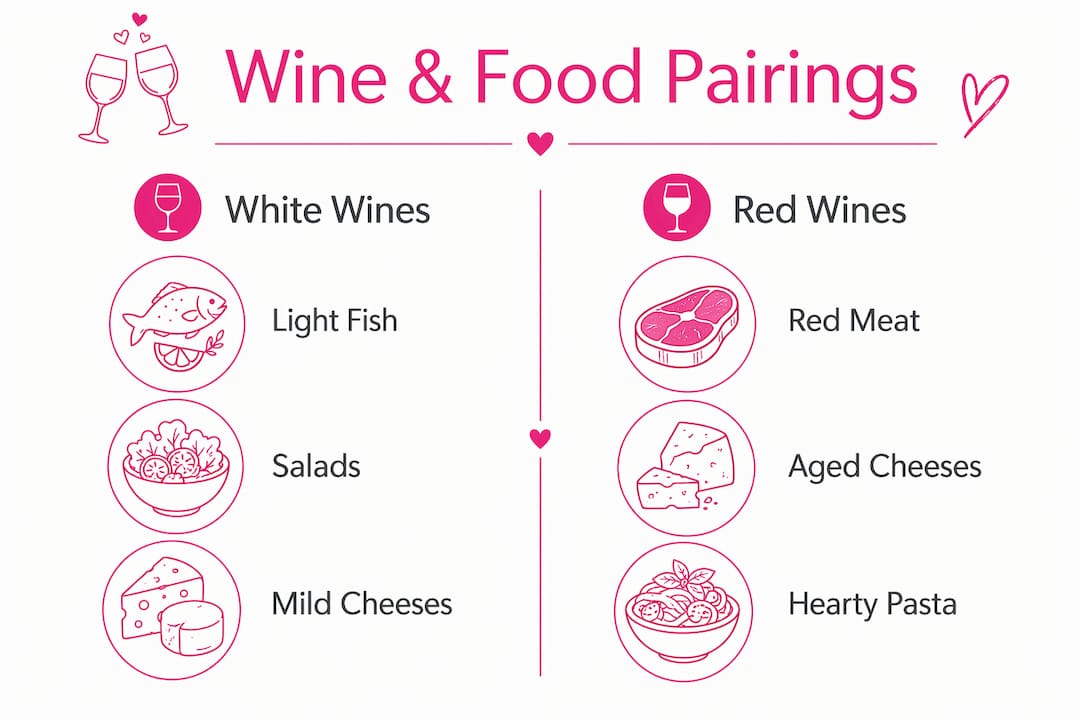
Pro Tip: When you are unsure what guests prefer, default to a dry sparkling wine or a Pinot Noir. Both are crowd-pleasers that work across a wide range of foods. Check out wine night format ideas for how to build a menu around these versatile picks.
What are the most common wine pairing mistakes?
Even confident hosts make these errors. Knowing what to avoid is as useful as knowing the rules.
- Mismatching weight and intensity. Pouring a heavy Cabernet Sauvignon over a light green salad buries the food. The wine dominates every bite. Always scale the wine to the dish.
- Pairing high-tannin wines with spicy or bitter foods. High-tannin wines clash with bitter greens, spicy sauces, and chili-heavy dishes. The combination tastes metallic and harsh. Choose a low-tannin red or an off-dry white instead.
- Choosing high-alcohol wines with very spicy food. Alcohol amplifies heat. A 15% Zinfandel with a spicy curry makes the dish feel hotter and the wine taste rough. Stick to wines under 13% alcohol for spice-forward menus.
- Ignoring the sauce. A chicken dish in a tomato-based sauce needs an acidic red like Sangiovese, not a buttery Chardonnay. The sauce defines the pairing, not the protein.
- Following rules over personal taste. The most common mistake is treating pairing like a test. Guest enjoyment matters most. A wine you love and feel confident serving will always land better than a technically correct choice you are unsure about.
Pro Tip: Before any gathering, taste the wine you plan to serve with a small bite of the dish. Your palate gives you better feedback than any chart. Trust what you taste.
How can hosts apply wine pairing knowledge at social gatherings?
Pairing wine with dinner for a group does not require sommelier training. A few clear steps make the process reliable and low-stress.
- Start with the menu, not the wine list. Identify the heaviest dish on the table. That dish sets the ceiling for wine body. Everything else can be lighter.
- Use the three-rule shortcut. Match body, use acidity to cut richness, and reach for a touch of sweetness when the menu includes spice. Those three moves cover most situations.
- Lean on regional pairings. Regional food and wine evolved together, so they almost always work. Italian food with Italian wine. French food with French wine. This shortcut requires zero expertise and delivers consistent results.
- Default to sparkling for mixed menus. When guests have different preferences or the menu spans multiple cuisines, a dry sparkling wine handles the range. Its acidity and bubbles work across salty, fried, creamy, and light dishes.
- Keep multi-course meals simple. Reducing wine complexity across courses prevents palate fatigue. One white for starters, one red for the main, and a dessert wine or sparkling for the end covers the full meal without overwhelming guests.
- Let the star shine. Food & Wine editor Ray Isle notes that one element should lead: if the food is complex, choose a simple wine. If the wine is special, keep the food straightforward.
For a full planning checklist, the wine night hosting checklist at Girlshappyhour covers everything from glass selection to pour order.
Key Takeaways
Wine pairing works best when the wine’s body matches the dish’s weight, acidity cuts richness, and personal taste guides every final decision.
| Point | Details |
|---|---|
| Match body to dish weight | Light wines with light dishes; full-bodied wines with rich, heavy foods. |
| Use acidity as your main tool | High-acid whites like Sauvignon Blanc cut fat and refresh the palate between bites. |
| Pair to the sauce, not the protein | The cooking method and sauce define the pairing more than the main ingredient. |
| Default to sparkling for groups | Dry sparkling wine pairs with almost any food and suits mixed-preference gatherings. |
| Trust personal taste over rules | Wines you enjoy and serve confidently create better guest experiences than rigid rule-following. |
Wine pairing is a social tool, not a test
I have watched hosts freeze at the wine shop because they were afraid of choosing “wrong.” That fear is the only real mistake in wine pairing. The science behind wine and food pairing confirms that tannin-protein and acidity-fat interactions are real chemistry. But chemistry is a guide, not a rulebook.
What I have found after years of hosting and attending wine-centered gatherings is this: the pairing that gets remembered is the one that felt right in the room. A Pinot Noir that made everyone laugh and reach for another glass beats a technically perfect Barolo that nobody felt comfortable with. The best pairings create a moment, not a grade.
My honest advice is to learn three things: match body, use acidity, and avoid tannins with spice. After that, choose wines you personally enjoy. Your confidence at the table communicates more than the label on the bottle. Guests follow the host’s lead. If you pour with conviction, they drink with pleasure.
— Stephen
Wine-themed apparel for your next girls’ night
A great wine night is about more than what is in the glass. Girlshappyhour designs apparel built for exactly these moments: wine nights, girls’ trips, bachelorette weekends, and any gathering where the pour is generous and the company is better.
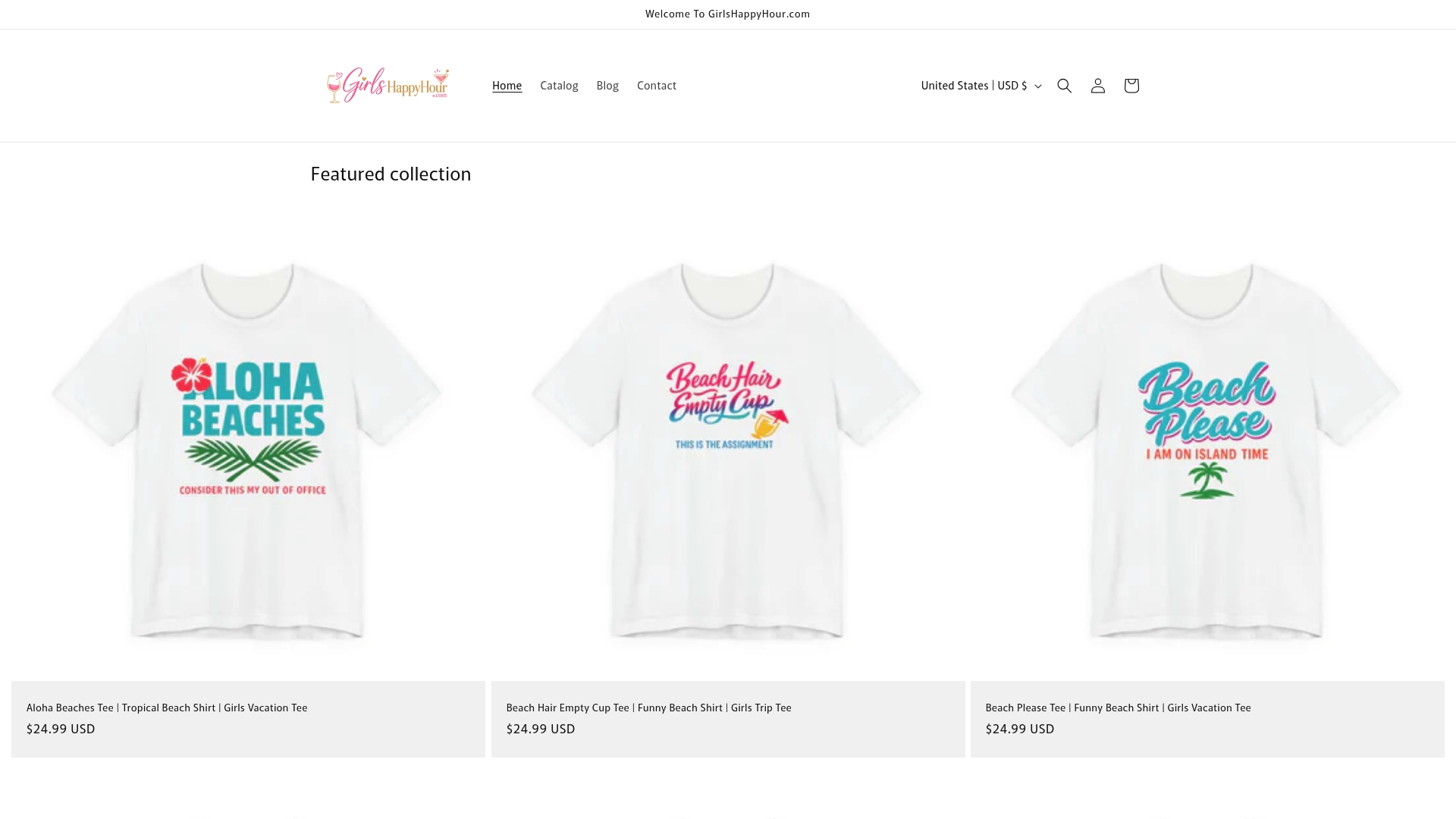
The Unsupervised & Over-Poured Tee captures the spirit of a night where the rules are relaxed and the wine is flowing. The Drink Till He’s Pretty Tee is a crowd favorite for wine nights and bachelorette events. Both make great gifts for the host or the guest of honor. Browse the full collection at Girlshappyhour for more wine-inspired styles that fit the occasion.
FAQ
What is wine pairing in simple terms?
Wine pairing is matching a wine’s characteristics to a dish’s flavors so both taste better together. The core rule is to match the wine’s body to the weight of the food.
What wine goes best with steak?
Full-bodied reds like Cabernet Sauvignon are the best wine for steak. The tannins in the wine bind to the fat and protein in the meat, softening the wine and enriching the beef’s flavor.
What goes with red wine at a party?
Red wine pairs well with red meats, aged cheeses, mushroom dishes, and hearty pasta. Light-bodied reds like Pinot Noir also work with salmon and duck, making them flexible for group settings.
Can sparkling wine pair with any food?
Dry sparkling wine pairs with a wide range of foods, including appetizers, fried dishes, salty snacks, and seafood. Its high acidity and carbonation make it the most versatile option for social gatherings with varied menus.
Do I need to follow strict rules when pairing wine for guests?
No. Personal taste and guest enjoyment matter more than rigid rules. Start with the basics of body, acidity, and sweetness, then choose wines you feel confident serving.