

Common Wine Night Hosting Mistakes and Easy Fixes
The most common wine night hosting mistakes are predictable: not enough food, wrong pour order, poor pacing, and a distracting environment. Each one has a direct fix. Girlshappyhour, along with guidance from Food & Wine and CNN, point to the same pattern — small logistics errors, not wine knowledge gaps, are what derail most casual nights.
Quick fixes at a glance:
- Not enough food → Set out plain crackers, bread, and mild cheese before the first pour.
- Wrong serving order → Start light (sparkling, crisp white) and move to fuller reds last.
- Overpouring → Keep pours at 60–90 ml and pace 12–15 minutes per wine.
- Host lecturing → Pour, pause one minute, then ask one open question.
- Scented candles or spicy snacks near the tasting area → Swap to unscented candles and keep strong food away from the glasses.
- Wrong glassware or temperatures → One standard glass per guest; chill whites, serve reds slightly below room temperature.
- No backup plan → Pre-taste every bottle and keep one spare on hand.
- Ignoring safety → Confirm rides or ride-share options before guests arrive.
Table of Contents
- 1. Not having enough food out early
- 2. Serving wines in the wrong order
- 3. Overpouring and rushing the pacing
- 4. Acting like a lecturer instead of a host
- 5. Letting scents compete with the wine
- 6. Using the wrong glassware or wrong temperatures
- 7. Having no backup plan
- 8. Ignoring dietary needs and wine preferences
- 9. Skipping the safety conversation
- How to plan tasting order, pours, and pacing
- What to serve so food supports the wine
- Set the room and logistics so wines and conversation shine
- How to be a great host without turning the night into a class
- A printable checklist and 3-hour sample timeline
- Key Takeaways
- Why keeping wine nights casual is the right call
- The finishing touch your wine night is missing
- Useful sources
1. Not having enough food out early
Serving wine without food speeds up intoxication and dulls tasting accuracy. Neutral palate cleansers — plain crackers, sliced baguette, mild cheeses — slow alcohol absorption and keep guests’ senses sharp. Put food on the table before anyone pours, not after the first bottle is half gone.
2. Serving wines in the wrong order
Heavy wines first mask everything that follows. The correct sequence runs light to full: sparkling → crisp white → rosé → light red → fuller red → dessert wine. Serving in the right order lets each wine read clearly on its own terms instead of competing with the one before it.
3. Overpouring and rushing the pacing
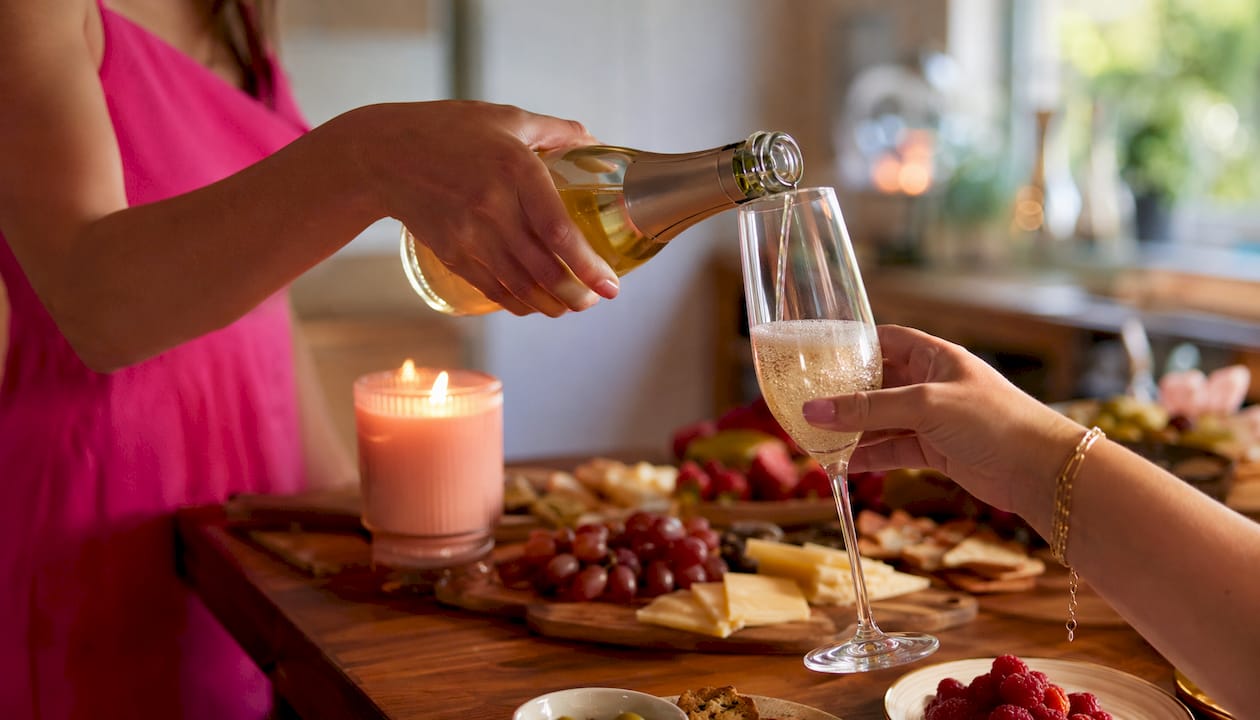
A standard wine bottle yields several tasting pours at small serving sizes. Pour that size, wait 12–15 minutes before moving to the next wine, and offer water between flights. Guests stay comfortable, and no one is overwhelmed before the last bottle opens.
4. Acting like a lecturer instead of a host
The host’s job is to pour, pause, and listen. Give guests a quiet 60 seconds to smell and sip before anyone speaks. That one-minute pause produces more honest reactions than any prompt. Ask one simple question after — “What’s the first thing you smell?” works every time.
Pro Tip: Hand out simple printed scorecards with four fields: look, smell, taste, finish. A 1–10 score at the bottom keeps it light and gives guests something to do during the quiet minute.
5. Letting scents compete with the wine
Scented candles and heavily spiced snacks overpower a wine’s natural aroma before it reaches anyone’s nose. Use unscented candles, keep strong-smelling food away from the tasting area, and ask guests to skip heavy perfume. Quiet background music at conversational volume is fine; anything louder pulls attention away from the glass.
6. Using the wrong glassware or wrong temperatures
One standard mid-sized glass per guest is all you need. Switching glasses for each varietal adds clutter and anxiety without meaningful sensory benefit. Temperature matters more than the glass shape: sparkling wines should be chilled, whites served cool, and reds served slightly below room temperature. Small changes in temperature can noticeably affect the taste and aroma. Check the ambiance setup guide at Lights & Things for practical room-temperature and lighting tips.
7. Having no backup plan
Pre-taste every bottle before guests arrive. Cork taint can hit any bottle regardless of price, and swapping a flawed bottle privately is far better than discovering it at the table. Keep one spare bottle and a stash of plain crackers on hand — they solve a flawed bottle, an empty stomach, and a palate reset all at once.
8. Ignoring dietary needs and wine preferences
Not every guest drinks red wine. Offer at least one white, one rosé, and one red so no one is stuck. Confirm allergies and dietary restrictions when you send invitations — gluten-free crackers and vegan cheese are easy swaps that take two minutes to source. Check wine night invitation ideas for RSVP language that captures this information upfront.
9. Skipping the safety conversation
Ask about rides before the night starts, not at the end. Designate drivers, suggest ride-share credits as a host gift, or offer an overnight option if the group is small. Responsible planning is part of the hosting job, not an afterthought.
How to plan tasting order, pours, and pacing
Serve dry before sweet and light before heavy. That sequence prevents flavor masking and keeps alcohol from compounding too fast. Four to six wines is the practical ceiling for most home tastings before palate fatigue sets in.
Sample pour reference:
| Style | Serving Temp | Pour Size | Time Per Wine |
|---|---|---|---|
| Sparkling | 40–45°F | 60–90 ml | 10–12 min |
| Crisp white | 45–48°F | 60–90 ml | 12–15 min |
| Rosé | 45–48°F | 60–90 ml | 12–15 min |
| Light red | 55–61°F | 60–90 ml | 12–15 min |
| Fuller red | — | 60–90 ml | 12–15 min |
Pull whites from the cooler 10 minutes before pouring. Bring reds to a cool room temperature — not a warm kitchen — about 20 minutes before serving. Open and decant young, tannic reds 30–45 minutes ahead. See 8 types of wine night formats for themed variations on this sequence.
What to serve so food supports the wine
Food should slow alcohol absorption and reset the palate, not compete with the glass. Neutral bites are the baseline; wine night snack pairing examples can guide more specific pairings once the basics are covered.
Serve these:
- Plain water crackers or baguette slices
- Mild cheeses (brie, mild cheddar, fresh mozzarella)
- Unsalted nuts
- Apple or pear slices
- Simple charcuterie with light seasoning
Avoid near the tasting area:
- Strong garlic dishes or heavily spiced food
- Heavily perfumed desserts during the tasting portion
- Scented candles or air fresheners
For guests with dietary restrictions, gluten-free crackers and vegan cheese boards work seamlessly alongside the standard spread.
Set the room and logistics so wines and conversation shine
The room should be neutral, comfortable, and free of competing scents. Good overhead light or supplemental candle light helps guests evaluate color; a white tablecloth or white paper underneath the glasses makes hue visible at a glance.
Logistics checklist:
- One standard glass per guest; water glasses alongside
- Dump bucket or spittoon available (no pressure to use it)
- Spare corkscrew and foil cutter
- Paper towels and a spare tablecloth for spills
- Water station accessible throughout the night
- Trash and recycling bins within reach
- Background music at conversational volume only
For wine storage and display ideas before guests arrive, the wine cabinet options at Noble Abode offer practical setups for keeping bottles at the right temperature until service.
How to be a great host without turning the night into a class
Pour, pause, listen. That three-step rhythm keeps the night social. After the quiet minute, use short prompts: “What does this remind you of?” or “Would you order this at dinner?” Simple tasting game ideas can layer in extra fun without adding pressure.
Scorecard template (one card per guest, per wine):
- Look — color, clarity
- Smell — first impression, one word
- Taste — fruit, acidity, tannin
- Finish — short, medium, long
- Score — 1–10
Pro Tip: Set a 60-second timer after each pour. No talking until it goes off. Guests who feel self-conscious about their opinions relax when everyone is quiet together.
Limit pours, keep water flowing, and check in on rides at the halfway point — not just at the end of the night.
A printable checklist and 3-hour sample timeline
Use this as your run sheet the day of the event. The wine night hosting checklist from Girlshappyhour is printable and covers the full planning arc.
3-hour timeline and bottle counts:
| Time | Action | Bottles (6–8 guests) | Bottles (8–12 guests) |
|---|---|---|---|
| 0:15 | Welcome, setup, water station open | — | — |
| 0:15–0:30 | First pour (sparkling or crisp white) | 1 | 2 |
| 0:30–0:45 | Second pour + palate break | 1 | 2 |
| 0:45–1:15 | Third and fourth pours (rosé, light red) | 1–2 | 2–3 |
| 1:15–1:45 | Fifth pour (fuller red) + food break | 1 | 2 |
| 1:45–2:30 | Sixth pour (dessert or bonus) + open tasting | 1 | 1–2 |
| 2:30 | Wrap up, leftovers, rides confirmed | — | — |
Day-of checklist:
- Pre-taste every bottle; swap any flawed ones
- Chill whites and sparkling per temperature bands above
- Set out glasses, water station, and dump bucket
- Place palate cleansers on the table before guests arrive
- Confirm designated drivers or ride-share plans
- Prepare emergency kit: spare corkscrew, paper towels, spare tablecloth, spare bottle
Opened wine keeps 2–3 days with a vacuum pump or a tight reseal stored upright in the refrigerator. Reds can go back in the fridge too — just pull them out 20 minutes before the next pour.
Key Takeaways
The single biggest fix for any wine night is sequencing: food first, light wines before heavy, small pours with water between, and rides confirmed before the first glass.
| Point | Details |
|---|---|
| Food before wine | Set out neutral bites before the first pour to slow absorption and protect tasting accuracy. |
| Light to heavy order | Serve sparkling and crisp whites first; move to fuller reds and dessert wines last. |
| 60–90 ml pours | A 750 ml bottle gives 8–12 tasting pours; pace 12–15 minutes per wine with water between. |
| Pre-taste every bottle | Check for cork taint before guests arrive and keep one spare bottle on hand. |
| Girlshappyhour resources | Use the printable hosting checklist and snack pairing guides at Girlshappyhour for a ready-made run sheet. |
Why keeping wine nights casual is the right call
The hosts who stress least and get the best feedback are the ones who treat the night as a conversation, not a curriculum. Scorecards and pour sequences are tools for keeping things moving, not for proving expertise. Guests remember how relaxed they felt, not whether the Pinot Noir hit exactly 61°F. Girlshappyhour’s whole approach to wine nights is built on that premise: social first, structure second, no judgment on anyone’s palate. The technical details in this guide exist to remove friction, not to add pressure. Get the food out, get the order right, and let the conversation do the rest.
The finishing touch your wine night is missing
A matching tee turns a good night into a memorable one. Girlshappyhour’s wine night shirts are designed for exactly this crowd: casual, cheeky, and built for a photo. The Drink Till He’s Pretty Tee and the Unsupervised & Over-Poured Tee work as a group gift, a keepsake, or just the thing that makes everyone laugh when they walk in. Hand them out before the first pour and watch the vibe shift immediately.
Browse the full wine night collection at Girlshappyhour and grab a shirt before your next girls’ night.
Useful sources
The sources below informed the serving guidance, food recommendations, and hosting structure throughout this article.
- How to host a wine tasting party — Food & Wine — palate cleanser and food guidance
- How to host the perfect tasting night at home — Paul’s Liquor — serving order and environmental factors
- How to host a wine tasting at home — Wineful Living — scorecards, pour counts, and wine quantities
- Hosting a home wine tasting guests remember — Wine-Cooler-Guru — temperature bands, pacing, and the one-minute pause
- How to host a wine night at home — The Modern Wine Edit — pre-tasting bottles and backup planning
- Making the most of wine without getting in the weeds — CNN — single-glass guidance